Last updated:
Best Areas To Stay in Haiti
Haiti where to stay depends on your travel style and interests. The island offers diverse neighborhoods for different types of visitors. Port-au-Prince, the capital, attracts business travelers and culture enthusiasts. Pétion-Ville offers upscale food-dining">dining and shopping experiences. Jacmel combines coastal charm with colonial architecture and artist communities. Cap-Haïtien provides historical significance and northern coast access.
Choosing your location shapes your entire Haiti experience. Coastal areas offer water activities and beach relaxation. Mountain towns provide cooler temperatures and cultural immersion. Urban centers deliver restaurants, nightlife, and modern amenities. Remote villages showcase authentic daily life and natural landscapes.
Most visitors start in Port-au-Prince due to airport proximity. The city serves as Haiti's main transportation hub. Travelers then move to beach areas or mountain towns. Each region has distinct characteristics and accommodations. Consider travel time between areas when planning your route.
Port-Au-Prince and Central Areas
Port-au-Prince remains Haiti's largest city and primary entry point. The Toussaint Louverture International Airport sits just outside the city. Most international flights arrive here daily. The capital offers museums, restaurants, and cultural sites. Port-au-Prince experiences heavy traffic and congestion during peak hours.
The city divides into several distinct neighborhoods. Pétion-Ville sits on hills south of downtown. This area contains expensive restaurants, boutiques, and upscale hotels. Tabarre lies east toward the airport. Delmas extends south with mixed residential and commercial zones. Downtown Port-au-Prince features government buildings and historic sites.
Northern Coastal Areas
Cap-Haïtien serves as Haiti's second-largest city and northern gateway. This port city connects to beach areas and historical sites. Visitors enjoy cooler breezes on the northern coast. Cap-Haïtien offers less tourist infrastructure than southern areas. The city preserves colonial architecture and revolutionary history.
Nearby Labadie provides pristine beach access for cruise ship tourists. The private beach resort draws day visitors from ships. Local communities benefit from cruise tourism revenue. Northern beaches remain less developed than southern counterparts. Travel from Cap-Haïtien to other areas takes significant time.
Best Beach Areas in Haiti
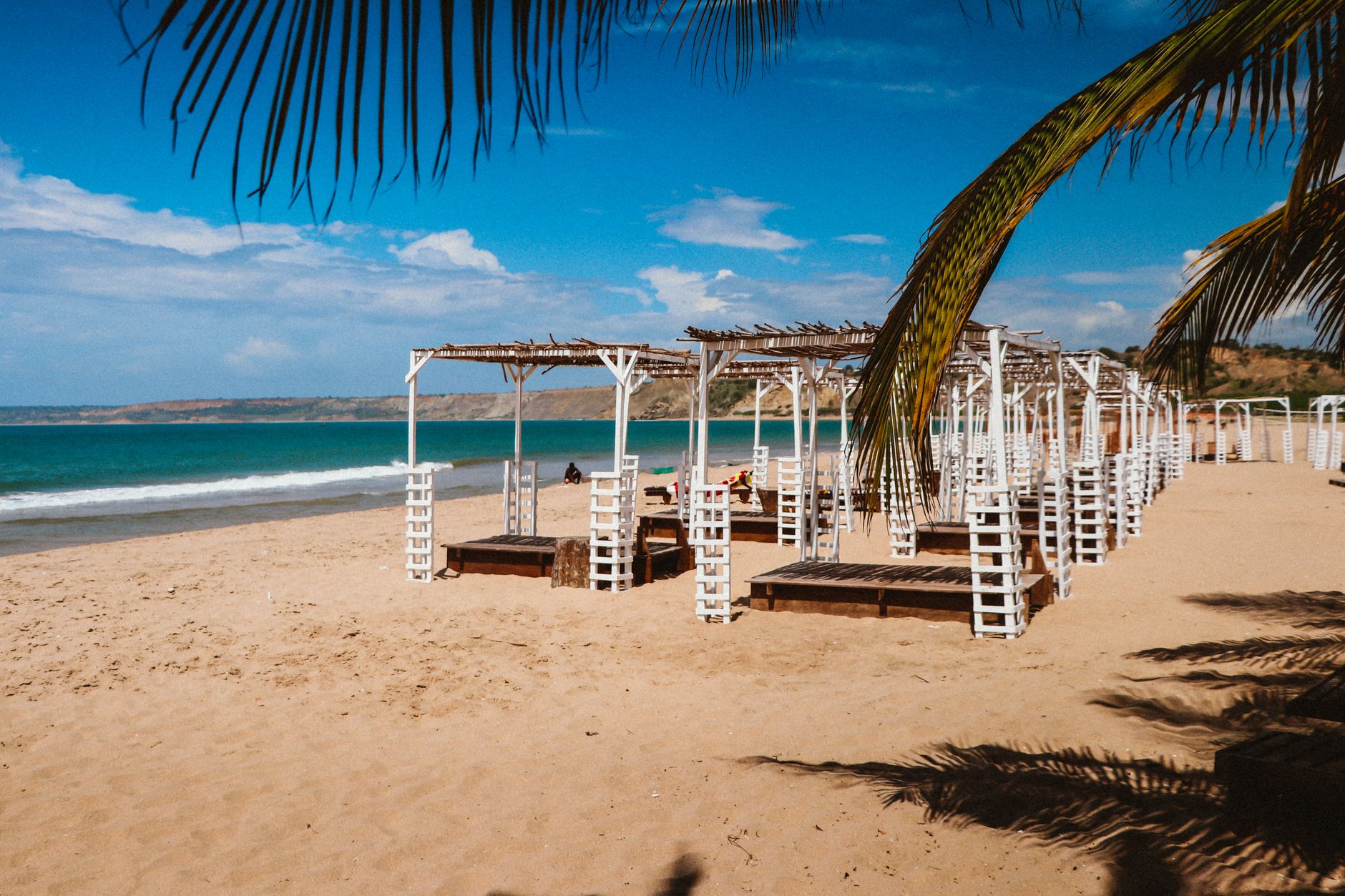
Haiti's beaches rank among the Caribbean's finest. The island boasts over 1,200 kilometers of coastline. Turquoise waters and white sand characterize many beaches. Island geography creates protected bays with calm conditions. The best beach months run from December through April.
Île-à-Vache offers pristine tropical beaches and marine life. This island sits off Haiti's southern coast. Visitors reach Île-à-Vache by boat from the mainland. The island remains underdeveloped with minimal commercial tourism. Scuba diving ranks as the primary activity here.
Jacmel beaches combine sand with cultural attractions nearby. This southern coast town features colonial buildings and galleries. Artists populate Jacmel, creating vibrant street art and murals. The beaches here suit families and culture-minded travelers. Jacmel offers more accommodations than remote beach areas.
Jérémie beaches appeal to adventure travelers and explorers. This northwestern town receives fewer foreign visitors. The area maintains authentic Haitian village character. Travel logistics require significant planning to reach Jérémie. Excellent seafood restaurants dot the waterfront.
PRO TIP: December through April offers the best weather and calmest seas for beach activities. Plan boat excursions and water sports during these months. Avoid September through November due to hurricane season.
Town Center Vs Beach: Which Is Better
Choosing between town centers and beach areas requires honest assessment. Town centers provide restaurants, nightlife, shops, and cultural sites. Beaches offer relaxation, water sports, and natural scenery. Your preference determines the best location for your needs.
Advantages of Town Center Stays
Town centers in Port-au-Prince and Cap-Haïtien provide convenience. You access restaurants, bars, and entertainment easily. Museums and historical sites concentrate in urban areas. Shopping and services meet all your daily needs. Public transportation connects various neighborhoods effectively.
Urban areas offer more accommodation options at various prices. Five-star hotels operate alongside budget guesthouses. Restaurants range from street food to fine dining. Markets provide fresh produce and local goods daily. Internet and phone service work most reliably in towns.
Safety concerns actually favor certain town neighborhoods. Hotels employ security staff and maintain controlled environments. Police presence increases in commercial areas. Guided tours depart from town centers regularly. Tourist-friendly infrastructure concentrates in urban zones.
Advantages of Beach Stays
Beach areas provide water activities and relaxation. Snorkeling and scuba diving operate from coastal towns. Swimming, sunbathing, and beachcombing fill your days. Morning walks on empty beaches energize your spirit. Sunsets over water create memorable experiences.
Beach communities maintain slower rhythms and authentic character. You experience local fishing villages and traditional lifestyles. Fresh seafood comes directly from boats to restaurants. Fewer tourists populate beaches outside peak season. You'll meet genuine locals rather than tourism professionals.
Coastal air feels cooler and fresher than inland areas. Ocean breezes provide natural cooling during hot days. Water recreation reduces heat stress and discomfort. Swimming becomes your primary heat relief method. Beach stays feel more comfortable during warm months.
Where To Stay in Haiti on a Budget

Budget travel in Haiti requires careful planning and local knowledge. The country offers affordable accommodations for cost-conscious visitors. Guesthouses and simple hotels cost far less than Caribbean averages. Street food and local markets provide cheap meals daily.
Jacmel serves budget travelers exceptionally well. This southern coast town has affordable guesthouses throughout. Local restaurants serve enormous meals for minimal cost. Guest houses operate with friendly, helpful staff. The town attracts backpackers from around the world.
Cap-Haïtien offers budget accommodations in the northern region. Simple hotels near the waterfront cost very little. Local eateries serve authentic Haitian food cheaply. The city sees fewer tourists, keeping prices lower. Transportation between sites remains affordable here.
Budget Accommodation Strategies
Book guesthouses directly rather than through booking websites. Direct bookings often include negotiated lower rates. Owners offer deals for weekly or monthly stays. You develop relationships with local hosts this way. Guesthouses provide authentic cultural experiences.
Stay in neighborhoods away from tourist zones. Local areas have cheaper accommodations and restaurants. You'll experience authentic daily life more genuinely. Walking distances to attractions matter less than price. Neighborhoods like Tabarre offer value without sacrificing safety.
Eat where Haitians eat, not tourist restaurants. Street vendors sell fresh grilled fish for minimal cost. Local markets have produce and prepared foods daily. Breakfast at guesthouses often costs very little. Avoid restaurants in hotel zones entirely.
Budget Activities and Entertainment
Beach time costs nothing beyond transportation. Swimming, sunbathing, and walking beaches are completely free. Snorkeling from shore avoids expensive boat tours. Hiking to waterfalls carries minimal cost. Nature-based activities dominate budget travel here.
Visit churches and historical sites without tour groups. Walking city streets and exploring neighborhoods is free. Interact with locals at markets and public squares. Attend community events and festivals when present. Cultural immersion costs nothing beyond openness.
Public transportation beats expensive taxis for getting around. Tap-taps (shared minibuses) cost pennies per ride. You meet locals and see authentic travel this way. Plan routes carefully to maximize tap-tap efficiency. Download offline maps before traveling.
PRO TIP: Hire local guides through your guesthouse rather than tourist agencies. Guides earn fair wages and provide authentic perspectives. This supports local communities directly and reduces costs significantly.
Luxury Areas in Haiti
Haiti's luxury accommodations concentrate in specific neighborhoods. Pétion-Ville dominates the upscale market in Port-au-Prince. This hilltop neighborhood hosts expensive restaurants and boutique hotels. The area maintains better infrastructure and services. Security measures exceed other Port-au-Prince areas substantially.
Pétion-Ville neighborhoods feature elegant villas and modern hotels. French colonial architecture blends with contemporary design. The area offers fine dining with international chefs. Spa services and wellness facilities operate here. Shopping boutiques stock designer brands and local crafts.
Jacmel's luxury segment has grown significantly in recent years. Boutique hotels occupy restored colonial buildings downtown. Upscale restaurants serve Haitian cuisine refined for sophisticated palates. Art galleries and cultural venues attract wealthy travelers. The town balances luxury with authentic character effectively.
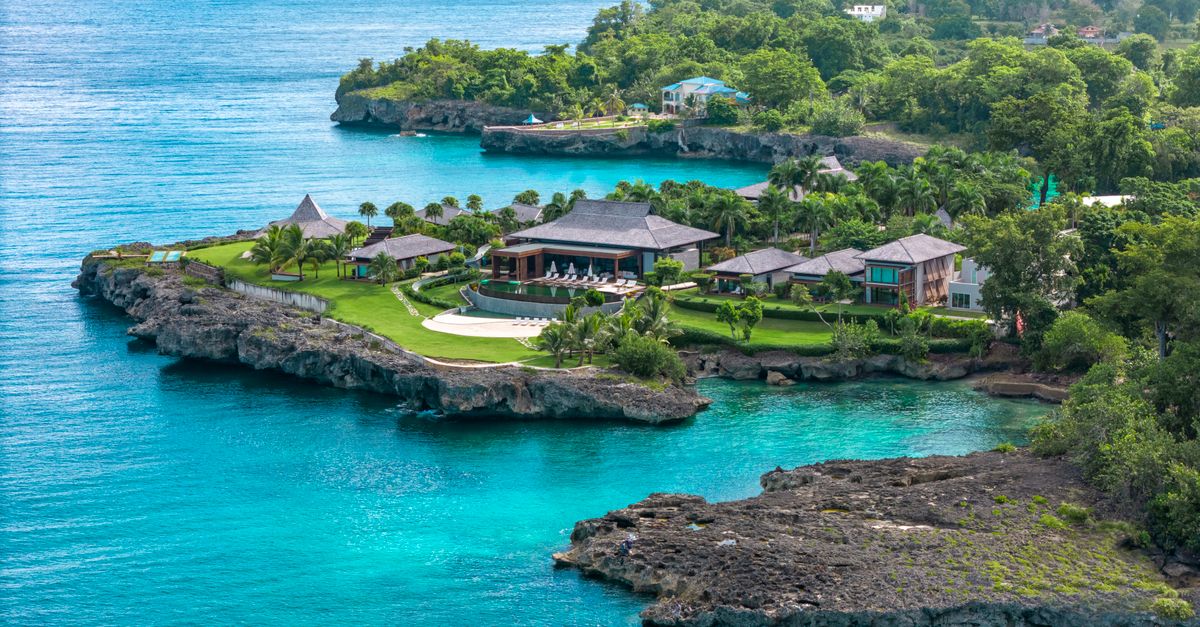
Resort areas near Jérémie and Île-à-Vache attract luxury eco-tourists. These properties emphasize sustainability and environmental protection. Water sports and diving dominate the experience. Accommodations feature private beaches and personalized service. Prices reflect exclusive access and limited capacity.
Luxury Features and Services
High-end hotels provide 24-hour security and concierge service. Staff speak multiple languages and understand international expectations. Room service operates around the clock in quality properties. Air conditioning works reliably in expensive hotels. Generator backup ensures continuous power during outages.
Luxury restaurants serve French and international cuisine expertly. Chefs source fresh ingredients from local markets daily. Wine selections include Caribbean and imported options. Reservations ensure table availability and personalized preparation. Dress codes apply at finer establishments.
Organized activities through luxury hotels ensure safety and comfort. Private beach access provides exclusivity and relaxation. Spa treatments use imported and local products. Diving excursions use well-maintained equipment and experienced guides. Personal drivers arrange transportation with reliability.
Where To Stay in Haiti With Kids

Family travel to Haiti requires careful area selection and planning. Pétion-Ville offers the safest neighborhood feel for families. The area has good restaurants accommodating children's preferences. Hotels provide reliable services families expect. Security infrastructure protects families effectively.
Jacmel suits families seeking beaches and cultural activities. The town has kid-friendly restaurants and relaxed atmosphere. Beach time entertains children of all ages easily. Walking the town center feels safe during daylight hours. Local people demonstrate genuine warmth toward visiting families.
Beach resorts near Île-à-Vache appeal to families seeking all-inclusives. These properties provide organized activities for children. Safety measures include supervised areas and security staff. Meals accommodate various dietary needs and preferences. Water activities keep kids engaged throughout days.
Safety Considerations for Families
Limit children's exposure to crowded urban areas unnecessarily. Port-au-Prince downtown areas present challenges for young children. Pétion-Ville and hotel zones provide safer wandering spaces. Hire trusted guides for neighborhood exploration with kids. Avoid traveling at night with children.
Stay hydrated constantly in Haiti's tropical climate. Children dehydrate quickly in heat and sun. Bring electrolyte replacement drinks and water bottles. Sunscreen protects kids from intense UV rays daily. Hat and light clothing prevent heat exhaustion effectively.
Medical care exists in major towns for emergencies. Pétion-Ville and Cap-Haïtien have clinics and hospitals. Verify your travel insurance covers pediatric care. Bring necessary medications for children's conditions. Know your hotel's emergency procedures before arrival.
Family-Friendly Activities
Beach time dominates family activities in Haiti easily. Swimming, building sand castles, and shell collecting entertain kids. Snorkeling introduces children to marine life gently. Shallow beach areas let young kids enjoy water safely. Beach vendors sell fresh coconuts and local snacks.
Hiking to waterfalls provides adventure for older children. Bassin Bleu near Jérémie features multiple pools for swimming. The hike suits families with children eight and older. Swimming beneath waterfalls thrills kids appropriately. Local guides ensure safe passage and interesting information.
Art and cultural activities appeal to older kids especially. Jacmel's galleries showcase artists and creative expression. Local markets provide colorful sensory experiences. Music and dance performances occur regularly in towns. Children learn about Haitian culture through direct experience.
PRO TIP: Book accommodations with full kitchens for families with picky eaters. Prepare some meals yourselves to control ingredients and nutrition. This saves money and reduces restaurant dining stress with multiple children.
Frequently Asked Questions
What Is the Safest Neighborhood To Stay in for Tourists?
Pétion-Ville ranks as Haiti's safest neighborhood for foreign visitors. This hilltop area in Port-au-Prince has improved security infrastructure substantially. Hotels employ trained security staff and visitors generally avoid unwanted attention. The neighborhood hosts restaurants, shops, and services tourists expect. Other safe areas include resort zones and gated hotel properties. Avoid downtown Port-au-Prince and unfamiliar neighborhoods after dark. Hire guides through hotels for neighborhood exploration. Use registered taxis rather than hailing cabs randomly.
When Should I Visit Haiti for the Best Weather?
December through April provides Haiti's optimal weather and conditions. These months feature warm but not excessive temperatures. Rainfall drops significantly during this period compared to other months. Hurricane season runs June through November, bringing storm risks. The dry season (December-April) suits beach activities and water sports perfectly. Book accommodations well in advance for December and January. February and March offer slightly fewer crowds than holiday weeks. Easter week (April) attracts many visitors, making March quieter. Avoid September through November for safety and comfort.
What Currency Should I Bring and Where Can I Exchange Money?
The Haitian gourde (HTG) is the local currency throughout Haiti. The US dollar remains widely accepted in tourist areas and businesses. Exchange rates favor gourdes through formal channels over dollars. ATMs exist in Port-au-Prince and major cities but availability fluctuates. Bring US dollars in cash if possible as backup currency. Banks exchange money officially but require valid identification. Hotel exchanges typically offer unfavorable rates versus banks. Avoid exchanging large sums from street vendors regardless of offered rates. Credit cards work at some hotels and restaurants but assume cash necessity.
Is It Necessary To Hire a Guide or Take Tours?
Hiring guides enhances safety and cultural understanding significantly. Local guides provide historical context and authentic perspectives unavailable otherwise. Tours ensure transportation reliability and organized logistics. Independent exploration works in tourist neighborhoods during daylight hours. Guides through reputable hotels cost more but offer quality assurance. Street guides may approach aggressively; book through accommodations instead. Group tours reduce individual costs by sharing expenses. Private guides enable flexible itineraries matching your interests. Many activities like diving require professional guides for safety compliance.
What Should I Pack for a Trip To Haiti?
Pack lightweight, breathable clothing for tropical heat and humidity. Include swimwear, beach towel, and water shoes for beach activities. Sunscreen with SPF 50 or higher protects from intense UV rays. Hat and sunglasses prevent heat-related illness effectively. Insect repellent prevents mosquito bites and dengue risk. Medications for motion sickness help on boats and mountain roads. Comfortable walking shoes suit exploration of towns and villages. Pack formal clothing only if planning upscale restaurants or events. Quick-dry clothes minimize laundry needs during travels. Underwater camera captures snorkeling memories perfectly.