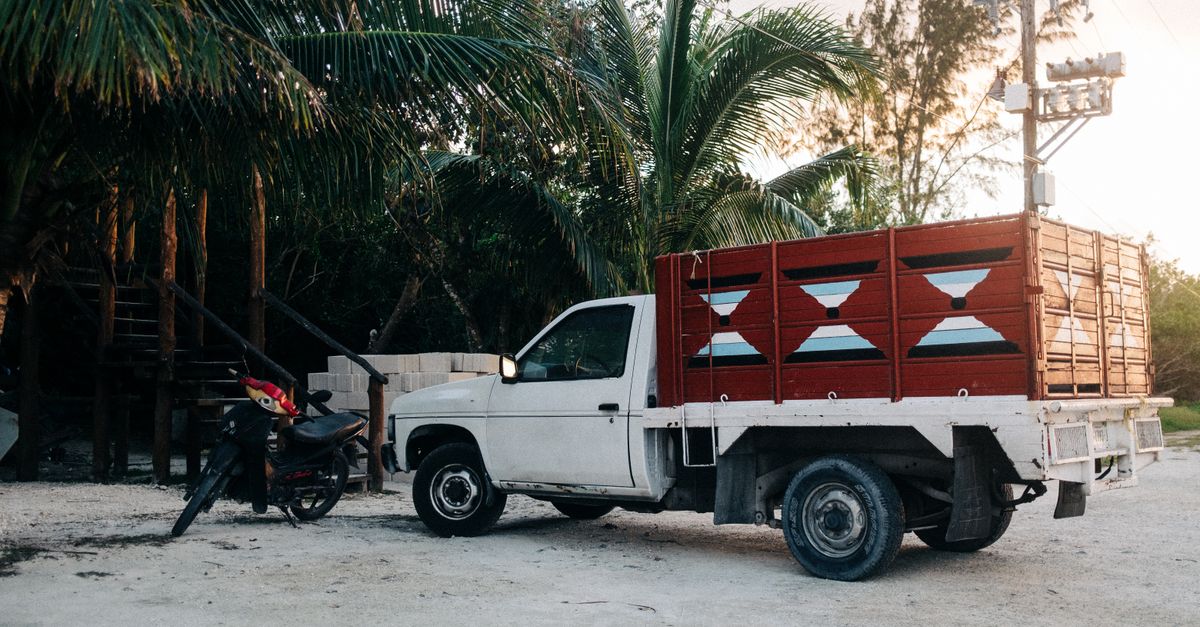
Last updated:
Getting around Haiti requires planning and patience. Haiti parking transport options exist, but they differ greatly from North American systems. The island covers 27,750 square kilometers with 11.7 million people. Most visitors arrive at Toussaint Louverture International Airport in Port-au-Prince. From there, you need reliable transportation to explore the island.
Transportation in Haiti ranges from organized to informal. Formal options include rental cars and registered taxis. Informal options include tap-taps, motorcycle taxis, and shared minibuses. Each option has advantages and disadvantages. Choose based on your budget, comfort level, and travel style.
Car Rental in Haiti
Renting a car in Haiti gives you freedom and flexibility. You control your schedule and route. The main rental companies operate from Toussaint Louverture International Airport. Budget, Hertz, and local companies offer vehicles daily. Rental requirements include a valid driver's license from your home country. An International Driving Permit helps but is not always required.
The rental process is straightforward at the airport. Provide your license and passport. Sign the rental agreement. Check the vehicle condition before leaving. Take photos of any existing damage. Request a full tank of fuel to avoid overcharges later. Keep your rental agreement and insurance documents accessible while driving.
Vehicle options range from small sedans to SUVs. Choose a vehicle based on where you plan to travel. Main roads are paved but can be rough. Remote areas have unpaved roads. SUVs handle these better than sedans. Sedans work fine for Port-au-Prince and major towns. Fuel stations cluster around Port-au-Prince and major cities. Fill up before traveling to remote areas.
Haiti parking transport requires understanding local parking customs. Parking attendants stand near parking areas. They watch parked vehicles. Give them a small tip (typically 25 to 50 HTG) when leaving. This discourages theft and damage. Never leave valuables visible in parked vehicles. Use hotel parking when possible. Many hotels have secure parking for guests.
PRO TIP: Rent a vehicle with air conditioning. Road conditions and traffic heat make AC essential for comfort. Request a car with good suspension for rough roads outside Port-au-Prince.
Taxis in Haiti
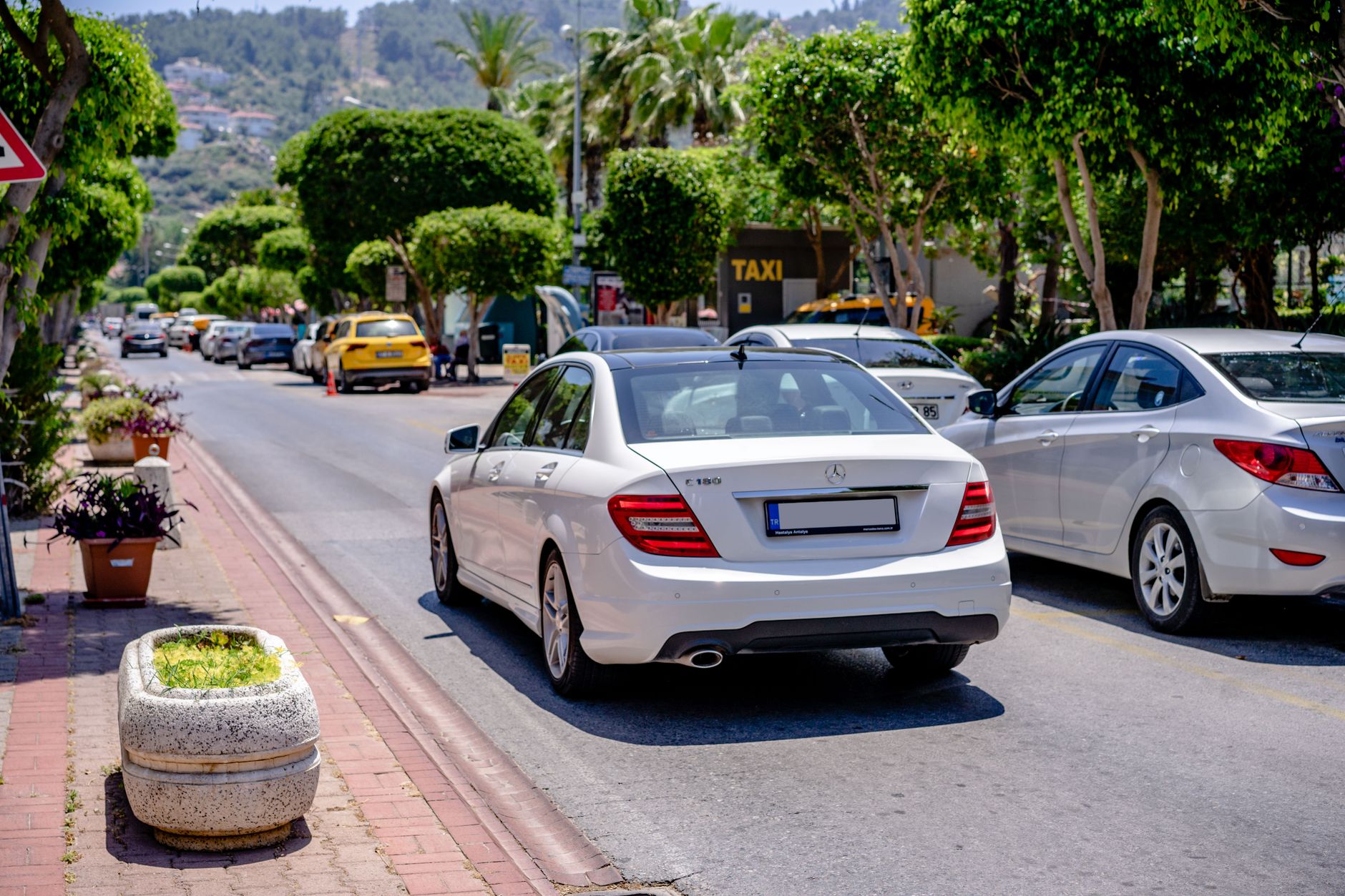
Taxis provide convenient transportation throughout Haiti. Licensed taxis are red and white. They operate in Port-au-Prince and other major cities. Unlicensed taxis also exist but carry more risk. Use only red and white licensed taxis when possible.
Negotiate taxi fares before entering the vehicle. Taxis do not use meters in Haiti. Drivers expect negotiation. Ask hotel staff what a fair price should be. Standard fares vary by distance and traffic. Short trips within Port-au-Prince typically cost 100 to 200 HTG. Longer distances cost more. Always agree on a price before departure.
Ride-sharing apps like Uber operate in Port-au-Prince. Using apps avoids negotiation and provides fare transparency. You know the cost before accepting the ride. The app tracks your location and route. This provides safety advantages over street taxis. Download the Uber app before arriving in Haiti. Create an account using your home phone number.
Taxi safety requires common sense. Travel in groups when possible. Avoid taxis late at night. Keep doors locked while the taxi moves. Do not display cash, jewelry, or electronics. Keep bags close and secure. Verify taxi credentials before entering. Ask your hotel to call a reliable taxi for you.
Public Transport Options
Public transportation in Haiti includes tap-taps, minibuses, and shared vans. Tap-taps are the most iconic. These small buses feature colorful decorations and loud music. They stop frequently to pick up and drop off passengers. Routes are informal, and schedules are unpredictable. Tap-taps offer the cheapest transportation on the island.
Using tap-taps requires flexibility and patience. Tap-taps fill completely before departing. Waits can last 30 minutes to an hour. Passengers sit closely together. Comfort is not the priority. Routes cover most towns and regions. Ask locals which tap-tap serves your destination. They can point you to the right stop. Fares vary by distance. Short rides cost 25 to 50 HTG. Longer rides cost 75 to 150 HTG.
Minibuses and shared vans serve similar routes as tap-taps. They are less colorful but more organized. These vehicles hold 8 to 15 passengers. They fill before departing like tap-taps. Fares are similar to tap-tap costs. Comfort is slightly better. Air conditioning is rare but sometimes available. These buses run between major towns regularly.
Long-distance travel uses larger buses and shared vans. Companies operate routes between Port-au-Prince and other cities. Cap-Haïtien, Jérémie, and Les Cayes receive regular service. Tickets cost more than local transport. Journeys take many hours due to road conditions. Buses depart early morning to avoid nighttime driving. Book seats at bus stations in advance during peak seasons.
PRO TIP: Travel via public transport during daylight hours only. Roads are rough, traffic is chaotic, and nighttime travel increases risks. Morning departures are safer and more common.
Getting Around Haiti on a Budget

Budget travelers save money using public transportation consistently. Tap-taps and minibuses cost much less than taxis. A week of daily tap-tap travel costs less than one taxi ride to the airport. Accommodations in smaller towns also cost less. This reduces overall travel expenses significantly.
Stay in towns with good public transport connections. Port-au-Prince has the most options but highest costs. Cap-Haïtien and Jacmel offer good transport with lower prices. Smaller towns have fewer options but cheaper accommodations. Plan routes around available public transport schedules.
Share transportation costs with other travelers. Group taxis split the fare among passengers. Many people use this option. Ask your hotel to arrange group taxis. Meet other travelers at your accommodation. Share long-distance bus tickets. This splits costs and provides companionship.
Walk when distances are reasonable. Port-au-Prince and Jacmel have walkable areas. Walking provides cultural immersion and local experiences. It costs nothing. Stay alert and aware of surroundings. Avoid walking alone after dark. Travel with others or use taxis at night.
Use Uber in Port-au-Prince for reasonable short-distance rates. Ride costs depend on demand. Surge pricing occurs during peak hours. Prices remain lower than negotiated taxi fares most times. Pay through the app using a credit card. No cash needed. This eliminates theft risk and fare disputes.
Driving in Haiti: What To Know
Driving in Haiti presents challenges different from North America. Roads vary in quality. Main routes between cities are paved but deteriorating. Secondary roads are rough and unpaved. Mountain roads are steep and winding. Flooding blocks roads during heavy rains.
Traffic rules exist but enforcement is minimal. Drive on the right side of the road. Speed limits apply but many ignore them. Seatbelts are recommended. Children should sit in the back. Police checkpoints occur randomly. Always carry your license and rental documents. Be respectful with police. Remain calm if stopped.
Haiti parking transport rules reflect local customs. Horns honk constantly. Drivers pass on curves and hills. Pedestrians cross roads unpredictably. Animals and carts share the road. Hazard lights indicate broken vehicles, not turning. Stay alert constantly. Assume other drivers will make unexpected moves.
Night driving is dangerous and should be avoided. Poor lighting and road conditions increase accident risk. Many drivers lack proper training. Animals cross roads at night. Opt for daytime travel only. If you must drive at night, drive slowly and cautiously. Use headlights on high beam in rural areas.
Fuel stations concentrate in towns and cities. Most accept cash only. Carry enough fuel for remote travel. Gas prices vary but are generally reasonable. Keep your tank at least half full. Running out of fuel in remote areas creates serious problems.
Purchase comprehensive car insurance before driving. Your rental agreement includes basic coverage. Additional insurance protects against theft and damage. Haiti has high vehicle theft rates. Insurance provides peace of mind. Understand what your policy covers.
Parking requires vigilance and strategy. Never leave vehicles unattended on streets. Use hotel parking whenever possible. Hotels secure parking against theft. Restaurant and shop parking is risky. Parking attendants charge small fees. Pay them to discourage theft. Lock doors and close windows. Remove valuable items.
Mechanical help is available in towns. Repair shops operate near markets. Quality varies. Mechanics use creative solutions. They fix vehicles with minimal equipment. Plan to wait several hours. If possible, drive directly to a major town for serious repairs.
Scooter and Bike Rental
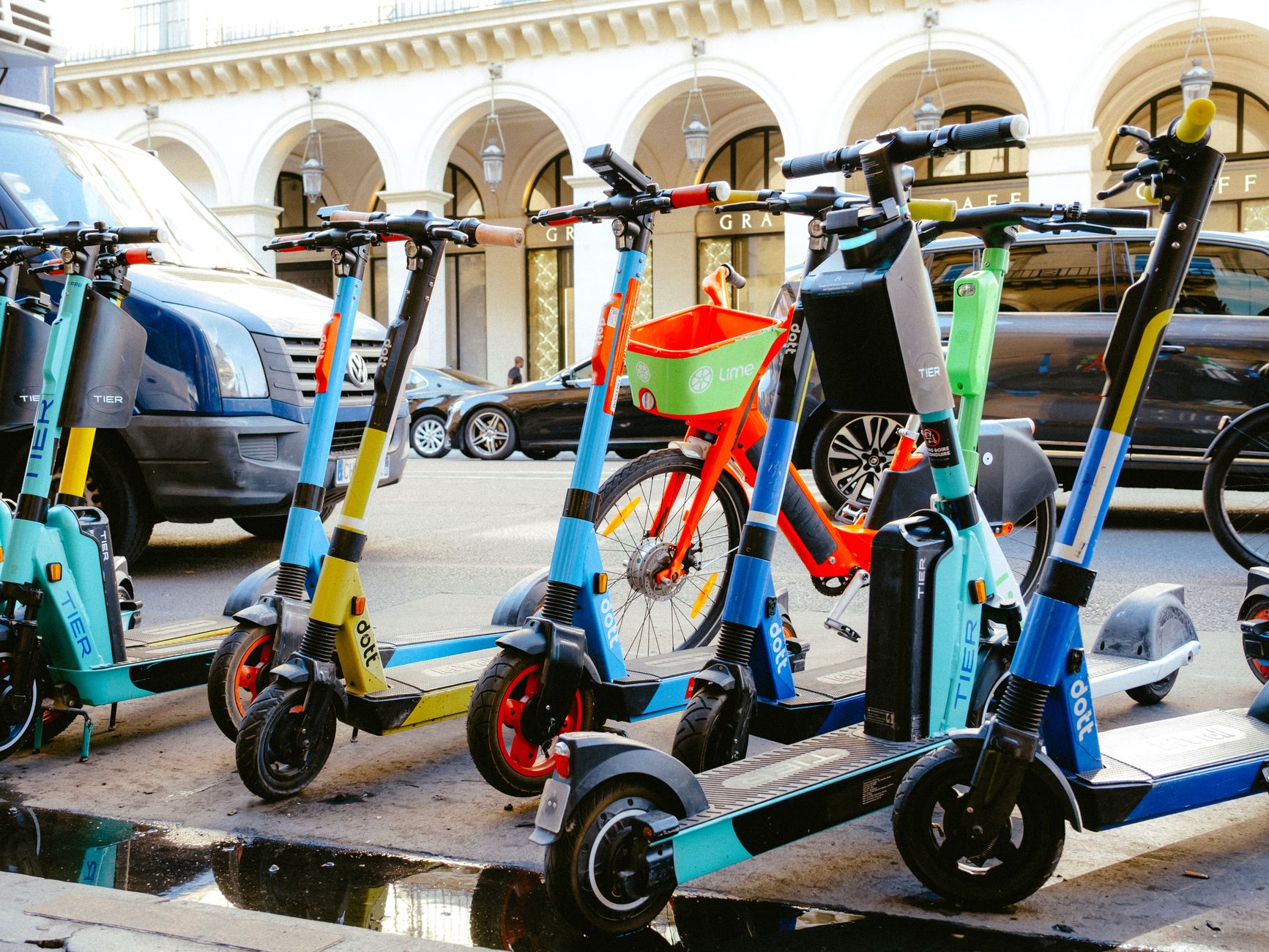
Motorcycle taxis are popular in Haiti. They navigate traffic and crowded streets easily. Rental shops in Port-au-Prince and Jacmel rent motorcycles. Rental requires a valid motorcycle license. Costs are reasonable. Helmets are available but many riders skip them. Always wear your helmet.
Motorcycles work for exploring smaller towns. They park easily and use less fuel than cars. Riding experience is essential. Roads outside towns are unpaved and rough. Potholes and obstacles appear unexpectedly. Rain makes roads extremely slippery. Ride during dry conditions only.
Motorcycle taxis provide quick point-to-point service. Flag one down on streets. Negotiate a fare. The driver takes you to your destination. Fares are cheap. Space for luggage is minimal. This works for light travel with small bags. Multiple riders on one motorcycle is common locally but not recommended for visitors.
Bicycle rental exists in some tourist areas. Jacmel and Cap-Haïtien have bike shops. Bicycles work for exploring town areas. Hills outside towns are steep. Traffic is chaotic. Bicycles are not practical for long-distance travel. Use them for short, local exploration only.
PRO TIP: If renting a scooter or motorcycle, wear protective gear and travel only during daylight. Mountain roads and unpredictable traffic make riding dangerous. Consider this option only if you have significant riding experience in developing countries.
Frequently Asked Questions
What Is the Best Way To Get From the Airport To Port-Au-Prince?
Several options work for airport transfer. Negotiate a taxi fare with drivers outside baggage claim. Expect to pay 300 to 500 HTG for the 20-minute drive. Pre-arrange a hotel transfer for guaranteed reliability. Some hotels offer free airport pickup for guests. Ride-sharing apps like Uber operate from the airport. Download the app and request a ride. Uber typically costs less than street taxis. Choose based on your budget and comfort level. Avoid traveling alone late at night.
Do I Need an International Driving Permit To Rent a Car in Haiti?
An International Driving Permit is helpful but not always required. Your home country driver's license is typically sufficient. An International Driving Permit provides additional documentation if questioned by police. Obtain one before traveling if you want extra assurance. Most car rental companies accept valid home licenses. Bring both your home license and passport to the rental counter. Insurance companies may recognize the International Permit in case of accidents. Contact your rental company beforehand to confirm their specific requirements.
Is It Safe To Use Public Transportation in Haiti?
Public transportation is generally safe during daylight hours. Tap-taps and minibuses carry many local passengers daily. Travel with locals reduces risk. Avoid traveling alone late at night. Keep valuables hidden and bags secure. Crowded vehicles create pickpocketing opportunities. Use common sense and stay aware. Ride-sharing apps provide safer nighttime options with tracked routes. Start with organized transport like larger bus companies for long distances. As you gain comfort, tap-taps become manageable and offer authentic experiences. Assess your comfort level honestly.
How Much Does Parking Cost in Haiti?
Formal parking lots do not exist in most of Haiti. Street parking uses attendants instead. Attendants watch parked vehicles for tips. Tip amounts range from 25 to 50 HTG depending on parking duration. Hotel parking is safer but costs vary. Budget accommodations may not charge. Mid-range hotels charge 100 to 200 HTG nightly. Upscale hotels include parking in room rates. Always ask hotels about parking costs before booking. Paying attendants is customary and discourages theft.
What Should I Do If My Rental Car Breaks Down in Haiti?
Call your rental company immediately if breakdown occurs. They provide roadside assistance or send replacement vehicles. Stay with your car if it is safe. Lock doors and use hazard lights. Flag down passing vehicles if needed. Do not accept rides from strangers. Seek help in the nearest town. Repair shops in towns can handle most issues but expect delays. Purchase comprehensive insurance before driving to cover breakdown costs. Carry your rental company's emergency number. Cell service exists in most populated areas but may be unreliable.