allisles.com
Haiti
allisles.com
Haiti

Haiti: Complete Caribbean Travel Guide
Visa Required
Last updated:
Quick Facts
- Visa Required: Yes (varies by passport)
- Currency: Haitian gourde (HTG)
- Languages: Haitian Creole, French
- Best Months: December, January, February, March, April
- Average Temperature: 28°C (82°F)
- Airport: Toussaint Louverture International Airport (PAP)
- Area: 27,750 km²
- Population: 11,724,000
- Timezone: America/Port-au-Prince
About Haiti
Best forHistory enthusiastscultural explorersadventurous travelers
Haiti occupies the western portion of the island of Hispaniola in the Greater Antilles. This Haiti overview reveals a nation with profound historical significance and vibrant Caribbean culture. The coordinates 18.9712, -72.2852 mark the heart of this 27,750 km² island nation. Haiti is home to 11,724,000 people who speak Haitian Creole and French.
Haiti holds the distinction of being the first independent Black nation in the Western Hemisphere. Haitians declared independence from France in 1804 after a successful slave revolution. This legacy shapes Haitian identity, art, music, and spirituality today. The country's history influences everything visitors experience on the island.
The landscape combines dramatic mountains, coastal plains, and Caribbean beaches. Northern regions feature the Chaîne de la Selle mountains. Southern areas offer fertile agricultural valleys and fishing villages. Port-au-Prince, the capital, sprawls across a coastal plain with vibrant markets and colonial architecture.
Haitian culture blends African, French, and Taíno indigenous traditions. You'll hear this fusion in traditional music like kompa and rara. Visual arts thrive through colorful tap-tap buses, metal sculptures, and paintings. Vodou spirituality intertwines with Catholicism in everyday Haitian life.
Geography and Climate
Haiti experiences a tropical climate with consistent warmth year-round. Average temperatures hover around 28°C (82°F) across seasons. The island receives significant rainfall during May to June and August to November. Dry periods occur from December through April, making these months ideal for visiting.
The terrain varies dramatically from coastal beaches to mountain peaks. Northern Haiti features the Massif du Nord mountain range. Central regions include the fertile Artibonite Valley, Haiti's breadbasket. Southern areas contain lush vegetation and remote fishing communities along dramatic coastlines.
PRO TIP: Visit during December through April for the best weather. These months offer sunny days, lower humidity, and minimal rain. Pack lightweight, breathable clothing and strong sunscreen regardless of season.
Why Visit Haiti
Best forCultural travelershistory buffsadventure seekersscuba divers
Haiti offers authentic Caribbean experiences that few other destinations provide. The island welcomes visitors seeking genuine cultural immersion, not resort isolation. You'll encounter warm, welcoming people proud of their heritage. Conversations with Haitians reveal stories of resilience, creativity, and pride.
Historical sites tell the story of human freedom and resistance. The Citadelle Laferrière, a massive fortress in Milot, stands as testament to Haitian independence. Built in the early 1800s, this structure rises 130 meters above surrounding valleys. The views from the top stretch across northern Haiti to the Atlantic Ocean.
Art and music define the Haitian visitor experience. Port-au-Prince hosts galleries displaying works by contemporary artists. Traditional rara music echoes through villages during spring festivals. Tap-tap buses decorated with bright colors and religious imagery transport you through daily Haitian life.
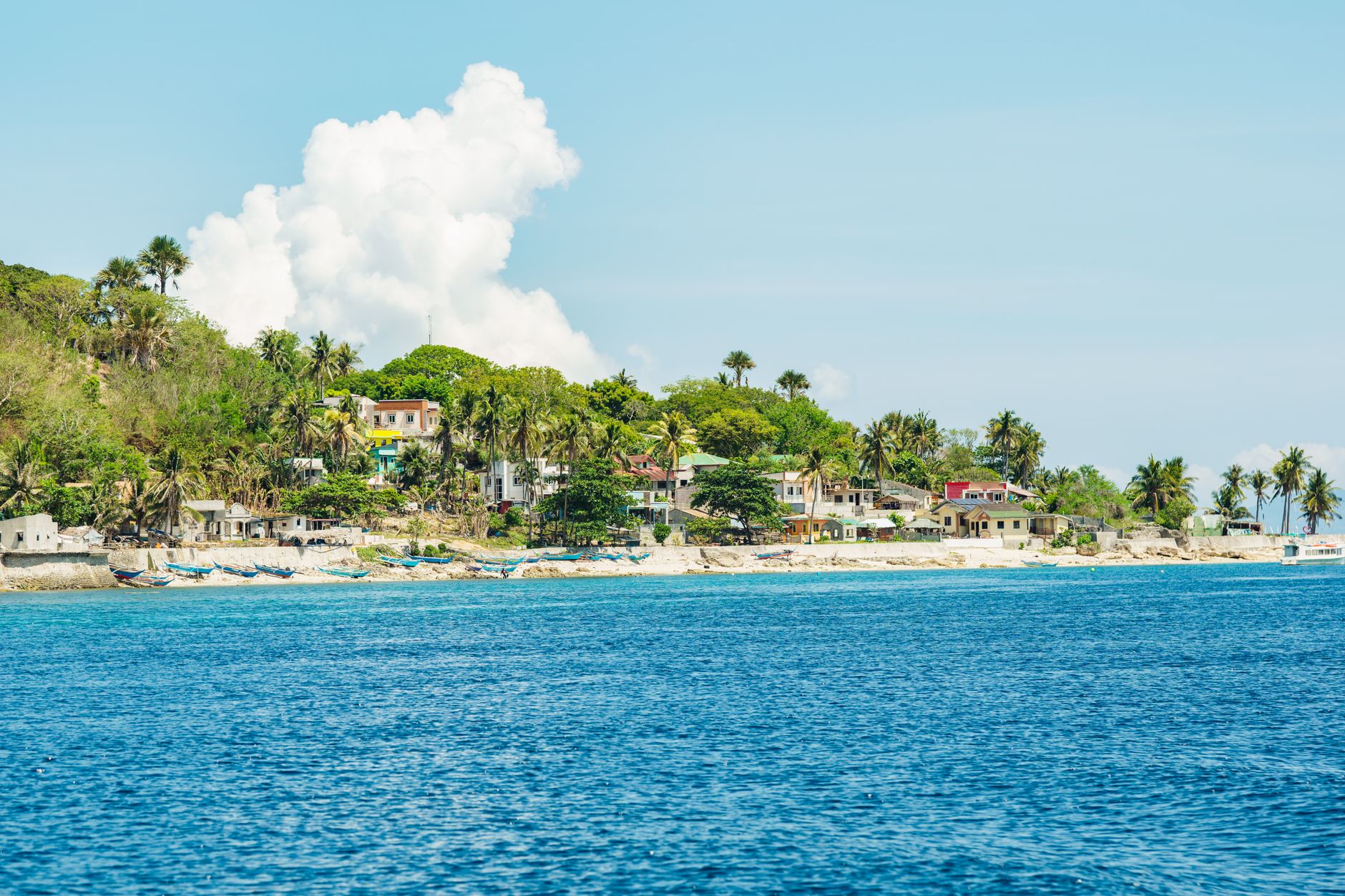
Beach and water activities appeal to adventure travelers. Haiti's Caribbean coastline stretches over 1,200 kilometers. The island offers scuba diving opportunities with coral reefs and marine life. Île-à-Vache, an island off the southern coast, features pristine beaches and calm waters. Labadee, a private beach resort area in the north, provides accessible beach recreation.
Food culture reflects the island's agricultural heritage. Haitian cuisine features fresh seafood, tropical fruits, and flavorful spices. Street markets overflow with mangoes, plantains, and locally grown vegetables. Griot (marinated fried pork) and djon djon (rice cooked with pigeon peas) showcase authentic flavors.
Unique Experiences
No other Caribbean destination offers Haiti's combination of history and culture. The island shaped world history through its independence movement. Walking colonial streets in Port-au-Prince connects you to this legacy. Markets in Cap-Haïtien bustle with energy that commercial tourist areas cannot replicate.
Spiritual practices like Vodou remain central to Haitian life. Respectful travelers gain insight into this misunderstood religion. Community celebrations and ceremonies reveal the deep spiritual connections Haitians maintain. Understanding Vodou requires openness and cultural sensitivity from visitors.
PRO TIP: Hire a local guide for historical and cultural sites. Guides provide context that enriches your understanding of Haiti's significance. They also help navigate safely and support local communities directly through tourist spending.
Haiti for Families
Best forFamilies with childrenmulti-generational groups
Families visiting Haiti should plan carefully and prioritize safety and comfort. Traveling with children requires advance preparation and realistic expectations. Haiti differs significantly from typical family resort destinations. However, families seeking cultural education find Haiti incredibly rewarding.
Beach time appeals to all ages in Haiti. Labadee offers family-friendly facilities and monitored swimming areas. The water temperature stays warm year-round, perfect for young swimmers. Local beaches near towns provide authentic experiences though they lack resort amenities. Bring water shoes and supervise children closely in unfamiliar beach areas.
Educational opportunities engage curious minds of all ages. Visit the Musée du Panthéon National Haïtien in Port-au-Prince to learn about Haitian independence. The museum features artifacts from Haiti's revolutionary past. Older children appreciate understanding this important historical context.
Market visits introduce children to different food systems and cultures. Local markets bustle with activity and color. Children experience Haitian commerce firsthand. Keep young ones close and maintain awareness of belongings in crowded spaces.
Accommodations range from basic guesthouses to more comfortable options. Cap-Haïtien offers family-friendly hotels with reliable services. Port-au-Prince has improved accommodations but requires careful selection. Always research current conditions and security information before booking.
Practical Family Travel Tips
Plan your itinerary around your children's ages and energy levels. Younger children tire quickly in tropical heat. Older children can handle longer excursions and hiking activities. Build rest time into daily schedules.
Bring medications and first-aid supplies from home. Medical facilities in Haiti are limited outside major cities. Travel insurance covering medical evacuation is essential for families. Pack insect repellent, as mosquitoes carry dengue fever and other illnesses.
Keep communication simple when language barriers exist. Many Haitians speak some English in tourist areas. Learning basic Creole phrases shows respect. Children pick up languages quickly and enjoy attempting new words.
Food safety requires attention with young children. Stick to bottled water exclusively. Avoid street food unless prepared in clean environments. Eat cooked foods rather than raw vegetables or unpeeled fruits. Restaurants catering to tourists maintain higher hygiene standards.
Haiti for Couples

Best forHoneymoon couplesromantic getawaysadventure partners
Couples seeking authentic Caribbean experiences find Haiti compelling. The island offers romantic settings without typical tourist resort crowds. Sunset views over the Caribbean create intimate moments. Local culture provides endless conversation and shared discovery.
Northern Haiti appeals to couples wanting combination trips. Cap-Haïtien combines beach access with historical exploration. The Citadelle Laferrière hike offers physical challenge and rewards. Couples tackle the ascent together, celebrating views from the top. Labadee's private beach area provides relaxed afternoon swimming.
Southern coastal areas charm couples seeking remote beauty. Île-à-Vache offers peaceful island escapes. Small hotels and guesthouses provide intimate accommodation. The island's slower pace encourages relaxation and connection. Snorkeling together reveals colorful reef life and marine diversity.
Dining experiences bring couples closer through shared discovery. Local restaurants serve authentic Haitian cuisine. Eating griot and djon djon together becomes a memorable ritual. Beachside dining on fresh seafood creates romantic atmospheres. Many restaurants feature live local music on weekends.
Spiritual experiences deepen couple connections. Attending community celebrations exposes you both to Haitian spirituality. Joint participation in cultural activities builds shared memories. Photography opportunities capture beautiful moments against vibrant backdrops.
Romantic Activities for Couples
Hiking to waterfalls provides adventure and secluded natural beauty. Several waterfall sites exist throughout Haiti. Local guides help couples navigate terrain safely. Swimming beneath cascading water creates unforgettable moments.
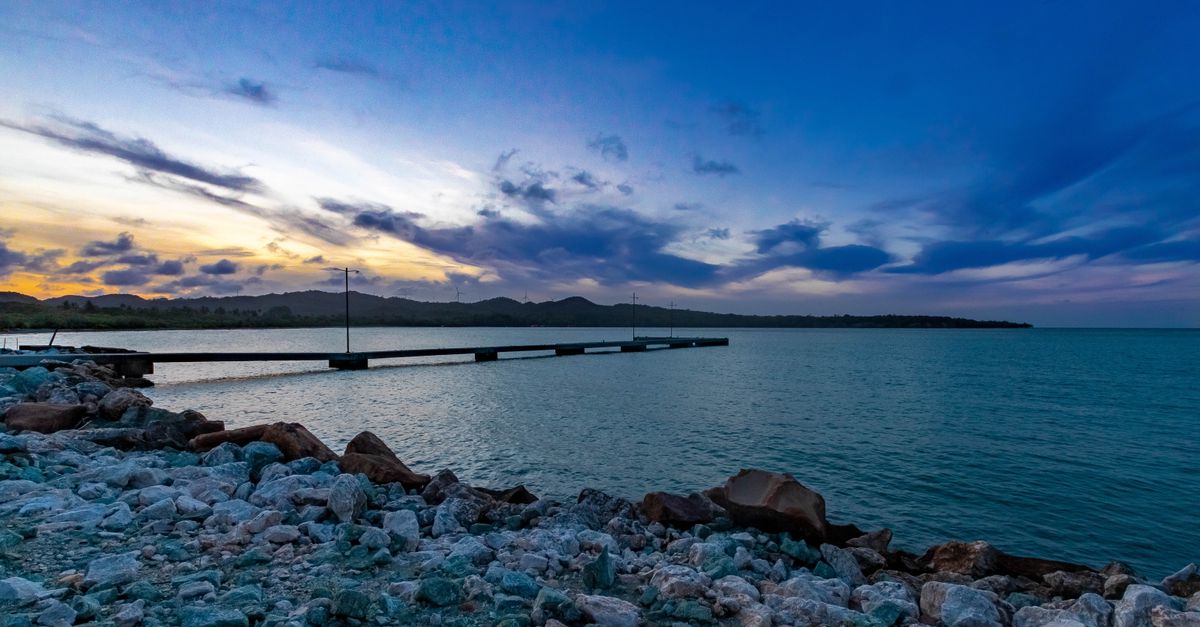
Sunset watching from coastal locations never disappoints. Cap-Haïtien's northern beaches offer dramatic evening colors. Southern coasts provide peaceful sunset experiences. Bring light snacks and enjoy quiet time together.
Art gallery visits in Port-au-Prince appeal to culturally minded couples. Contemporary Haitian artists create powerful works. Galleries often host opening events with artists present. Discussing art together strengthens appreciation and conversation.
PRO TIP: Book accommodations in Cap-Haïtien or southern coastal areas rather than Port-au-Prince for romance. Smaller towns offer authentic charm without urban intensity. Quieter settings enhance couple bonding and relaxation.
Haiti for Solo Travelers
Best forIndependent explorersculture seekersbudget travelers
Solo travelers find Haiti rewarding though it requires careful planning and awareness. The island attracts adventurous individuals seeking authentic experiences. Meeting locals happens naturally in markets, restaurants, and community spaces. Haitians generally welcome respectful visitors interested in genuine connection.
Budget-friendly options support solo travelers with limited funds. Guesthouses cost significantly less than Western accommodations. Local transportation via tap-tap buses keeps expenses minimal. Street food and market meals provide affordable eating options. Solo travelers extend limited budgets further in Haiti than other Caribbean destinations.
Safety requires attention as a solo visitor. Stick to established tourist areas and travel with guides for historical sites. Avoid displaying expensive camera equipment or jewelry. Use registered taxis rather than hailing vehicles from streets. Stick to daylight hours when exploring unfamiliar areas.
Learning Haitian Creole enhances solo travel experiences. Even basic phrases build connection with locals. Creole classes exist in Port-au-Prince and Cap-Haïtien. Language learning opens doors to deeper cultural understanding impossible as a tourist.
Solo travelers benefit from staying multiple weeks rather than days. Shorter visits keep you on surface levels. Longer stays allow relationship building with locals. You transition from visitor to temporary community member.
Solo Travel Logistics
Group tours and organized excursions connect solo travelers with others. Many tour operators arrange group activities like hiking and market visits. Sharing experiences with other travelers eases any loneliness. Tours also handle logistics and safety concerns.
Accommodation choice matters for solo travelers. Hostels and guesthouses provide social environments. Staying in family-run operations builds meaningful connections. Owners often become friends offering local advice.
Solo female travelers should exercise extra caution. Dress modestly to blend in with local women. Avoid traveling alone at night in unfamiliar areas. Stick to established tourist routes and use registered guides. Connect with other female travelers through online communities before visiting.
Solo male travelers experience fewer restrictions but still require awareness. Petty theft occurs in crowded markets and buses. Keep bags secured and money divided between pockets. Stay alert without becoming paranoid or isolating yourself.
PRO TIP: Hire a local guide for day trips even as an experienced solo traveler. Guides improve safety, provide cultural context, and support local employment. Cost remains reasonable and worthwhile for peace of mind.
Best Time To Visit Haiti

December, January, February, March, and April offer ideal visiting conditions. These five months feature dry weather and lower humidity. Temperatures hover around 28°C (82°F) consistently. Rain remains minimal, allowing uninterrupted beach time and site visits.
May through November brings hurricane season and heavy rainfall. May and June see the first rains arrive. August through October represents peak hurricane risk. November transitions back to drier conditions. Many travelers avoid these months though prices drop significantly.
January through March offers the absolute best conditions. Christmas holidays bring holiday travelers but also higher prices. February provides excellent weather with fewer crowds than January. March remains sunny and warm as tourism peaks slightly.
April transitions toward warmer, more humid conditions ahead of May rains. Weather remains pleasant though afternoon showers increase. Crowds thin after Easter holidays. Prices drop from peak season levels.
Festival Calendar
Haiti celebrates Carnival in February or early March depending on Easter dates. Port-au-Prince hosts the largest celebrations with parades and music. Communities throughout Haiti celebrate with local festivals. Carnival requires advance accommodation booking as hotels fill quickly.
Rara music festivals occur in spring, typically April or May. These celebrations feature street parades with traditional music and dancing. Rara represents authentic Haitian cultural expression. Smaller communities host rara celebrations less crowded than urban events.
Independence Day on January 1st marks Haiti's freedom from French rule. Communities celebrate with speeches, music, and special foods. Visiting during this celebration connects you to meaningful national pride.
Getting To Haiti
Toussaint Louverture International Airport (PAP) in Port-au-Prince serves as the main entry point. Multiple airlines operate flights from North American cities. Flight times range from three to five hours depending on origin. Direct flights from Miami and Fort Lauderdale offer the shortest journeys.
Visa requirements vary depending on your passport country. United States, Canadian, and European citizens typically receive 90-day visitor permits upon arrival. Other nationalities should confirm requirements with Haitian embassies beforehand. Processing requirements change occasionally, so verify current regulations.
Travel insurance becomes essential before visiting Haiti. Medical evacuation insurance protects you in case of serious illness. Standard travel insurance covers trip interruption and lost luggage. Confirm coverage includes Haiti specifically, as some policies exclude Caribbean destinations.
Ground transportation from the airport requires planning. Arrange rides through your hotel or registered taxi services. Uber operates in Port-au-Prince but with limited availability. Negotiating taxi fares in advance prevents overcharging. Allow extra time for Port-au-Prince traffic, especially during rush hours.
Entry Requirements
Valid passports remain valid for at least six months beyond travel dates. Some countries require vaccination documentation. Yellow fever vaccination is recommended though not required for entry. Malaria prevention through medication is advised for most regions.
Return flight confirmation requirements exist for visa issuance. Confirm your return date before arriving in Haiti. Overstaying tourist visas results in fines and potential deportation. Extensions are possible through immigration offices in Port-au-Prince.
Customs regulations limit currency imports and exports. Declare amounts exceeding $10,000 USD. Bringing prescription medications requires original containers and documentation. Plant and animal products typically face import restrictions.
Getting Around
Tap-tap buses provide primary transportation for locals and budget travelers. These colorful vehicles follow informal routes throughout cities and towns. Fares cost pennies in local currency. Tap-taps offer authentic cultural experiences but require patience and flexibility.
Registered taxis operate in Port-au-Prince and Cap-Haïtien. Negotiate fares before entering vehicles. Avoid unmarked taxis, especially at night. Ride-sharing through hotels connects you with reliable drivers.
Rental cars enable independent exploration but require careful consideration. Roads outside urban areas lack reliable conditions. Navigation challenges arise from unclear signage and address systems. Insurance coverage in Haiti remains complicated. Most travelers prefer guided transportation options.
PRO TIP: Hire drivers and guides through your accommodation or established tour operators. Local connections ensure reliable, safe transportation. Supporting local employment through direct hiring strengthens tourism's positive impact on communities.
Frequently Asked Questions

What Vaccinations Do I Need Before Traveling To Haiti?
Yellow fever vaccination is recommended though not required for entry. Ensure routine vaccinations like MMR, tetanus, and hepatitis A are current. Malaria prevention through antimalarial medication is strongly advised for all regions. Consult travel health clinics at least six weeks before departure. They assess personal risk factors and recommend appropriate vaccinations.
Is Haiti Safe for Tourists?
Safety requires awareness and careful planning when traveling to Haiti. Stick to established tourist areas and travel with registered guides. Avoid displaying expensive equipment or jewelry. Use registered transportation services rather than hailing random taxis. Security situations vary by region, so research current conditions before visiting. Many travelers visit Haiti safely by following practical precautions and staying informed.
What Currency Should I Bring To Haiti?
The Haitian gourde (HTG) is the official currency. US dollars are accepted in tourist areas but at unfavorable exchange rates. Withdraw gourdes from ATMs in Port-au-Prince and Cap-Haïtien using Visa or Mastercard. Bring limited US currency as backup. Credit cards work in larger hotels and restaurants but carry cash for markets and local businesses.
How Long Should I Plan To Spend in Haiti?
Solo travelers benefit from staying at least one week to experience Haiti meaningfully. Couples enjoy two weeks combining beach relaxation with cultural exploration. Families with young children do well with five to seven days to avoid exhaustion. Longer stays allow deeper connection with communities and reduced travel fatigue. Multiple shorter visits work better than single marathon trips for first-time visitors.
What Should I Pack for a Haiti Trip?
Pack lightweight, breathable clothing for tropical heat. Bring strong sunscreen rated SPF 50 or higher. Include insect repellent with DEET for mosquito protection. Comfortable walking shoes handle uneven streets and trails. A light rain jacket covers brief afternoon showers. Bring medications and first-aid supplies from home, as pharmacies stock limited options. Underwater gear isn't necessary if diving, as operators provide equipment and certification.
Related Pages on Haiti
Islands Near Haiti