Last updated:
Haiti Food and Dining: an Introduction
Haiti's food culture tells the story of its people. The island blends African, French, and Caribbean influences. Every meal reflects centuries of history and tradition. Haiti food dining offers flavors you cannot find anywhere else. The cuisine uses fresh tropical ingredients and bold spices. Local cooks prepare dishes with pride and care. You will taste authentic Caribbean food here. This guide shows you where to eat and what to order.
Haitian cooking relies on simple, quality ingredients. Plantains, beans, rice, and fresh seafood appear in many dishes. Cooks use garlic, onions, and scotch bonnet peppers for flavor. The food is hearty and satisfying. Breakfast often features corn porridge or fried cornmeal. Lunch and dinner include meat, seafood, and vegetable sides. Street vendors sell quick meals throughout Port-au-Prince and other cities.
Dining in Haiti is an affordable experience. Budget meals cost just a few dollars. Fine dining restaurants charge moderate prices compared to North America. You can eat well without spending much money. The best meals often come from small family restaurants. These places serve food their grandmothers taught them. Every bite carries authenticity and home cooking warmth.
Local Food in Haiti You Must Try

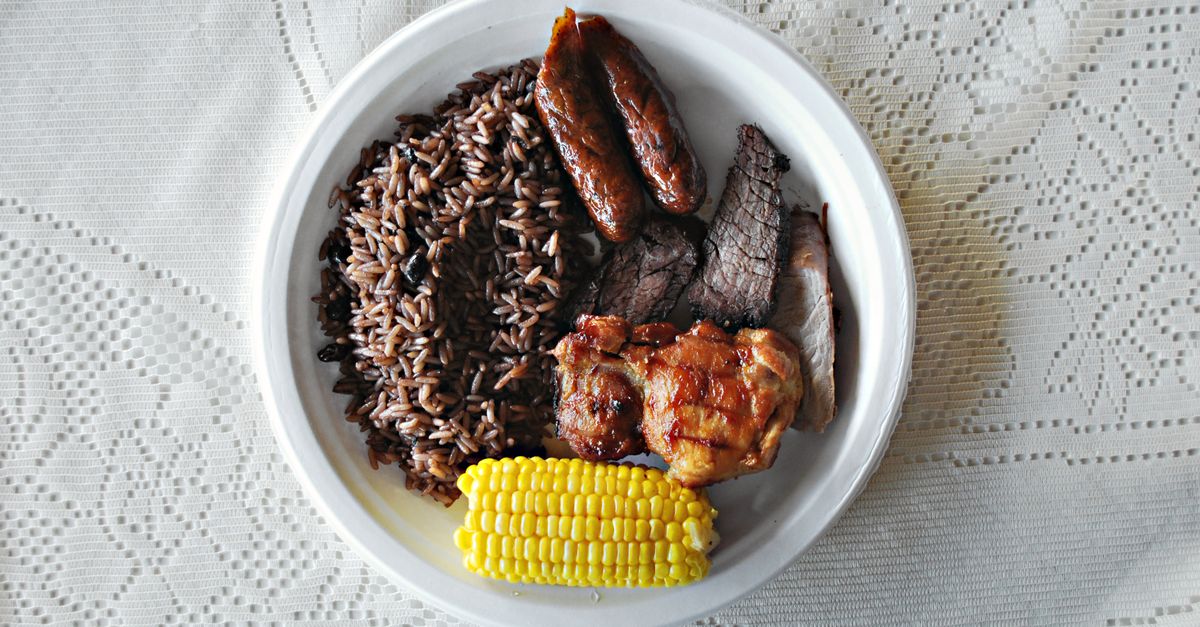
Diri ak Djon Djon is Haiti's national rice dish. Cooks prepare it with a special purple mushroom called djon djon. The mushroom colors the rice deep burgundy or purple. People serve this dish at celebrations and holidays. The flavor is subtle and earthy. Djon djon mushrooms grow in Haiti's forests. This dish shows Haiti's unique ingredients.
Griot is seasoned fried pork that Haitians love. Cooks marinate pork in citrus juice and spices overnight. Then they fry it until it turns golden and crispy. People serve griot with rice, beans, or fried plantains. It tastes savory and slightly tangy. You will find griot in restaurants and street stalls everywhere. This is comfort food at its best.
Akasan is a thick corn porridge served hot for breakfast. Cooks grind corn and mix it with milk and spices. They add cinnamon, nutmeg, and vanilla for warmth. Mothers prepare this for their families before school and work. It fills your stomach and keeps you satisfied. Street vendors sell cups of akasan in early morning hours.
Lambi is conch prepared in a spicy stew. Haitians have eaten conch for hundreds of years. The meat is tender when cooked properly. Cooks simmer lambi with tomatoes, garlic, and hot peppers. It tastes rich and complex. Coastal restaurants serve the best lambi preparations. Fresh catch makes all the difference in this dish.
Pwason means fish in Haitian Creole. Fresh fish is a staple along the coast. Cooks prepare it grilled, fried, or in spicy sauces. Red snapper, grouper, and wahoo are popular choices. The fish tastes clean and fresh. Beach restaurants serve excellent pwason every day. Eat it with rice and vegetables for a complete meal.
Tasso is dried, seasoned beef that adds flavor to many dishes. It appears in rice dishes, soups, and stews. Tasso is salty and intense in flavor. A little goes a long way in cooking. Street vendors sell packages of tasso. It stores well and travels easily as a gift.
PRO TIP: Visit local markets in the early morning to see vendors selling fresh tasso, djon djon mushrooms, and other ingredients. Markets are most active before 10 a.m. Bring small bills in Haitian gourdes for easier transactions. The atmosphere and energy at morning markets give you real Haiti.
Best Restaurants in Haiti
Port-au-Prince has the widest restaurant selection. The capital city offers everything from street food to upscale dining. Most restaurants cluster in Petionville, an upscale neighborhood in the hills. This area feels safer than downtown. Many restaurants here cater to tourists and wealthy locals. You will find modern facilities and English-speaking staff.
Cloisters of the Immaculate Conception restaurant sits in a historic courtyard. The building dates back centuries. Diners enjoy traditional Haitian food in an elegant setting. The ambiance feels special and memorable. They serve seafood, meat, and vegetarian options. Fresh juice and local beer pair well with meals. The restaurant opens for lunch and dinner service.
Restaurant Bethesda offers authentic Haitian cooking. The owner cooks many dishes herself. You taste home cooking made with care. The menu changes based on available ingredients. Expect simple, flavorful plates. Service is warm and friendly. The restaurant attracts both tourists and locals. Prices stay reasonable for the quality offered.
Kioskos restaurants operate throughout Haiti. These casual spots serve quick, tasty meals. You order at a counter and sit at simple tables. Food comes fresh and hot. Kioskos serve griot, djon djon, and other classics. They open early and close by early evening. These places give you genuine Haitian dining experiences.
Haitian coffee shops serve excellent espresso and creole breakfasts. Many open by 6 a.m. for workers heading to jobs. Try café au lait with warm bread and cheese. Pastries include pain au chocolat and other French influenced treats. Coffee here is dark, strong, and delicious. Sitting in a local café lets you watch Haitian life pass by.
Fine Dining in Haiti
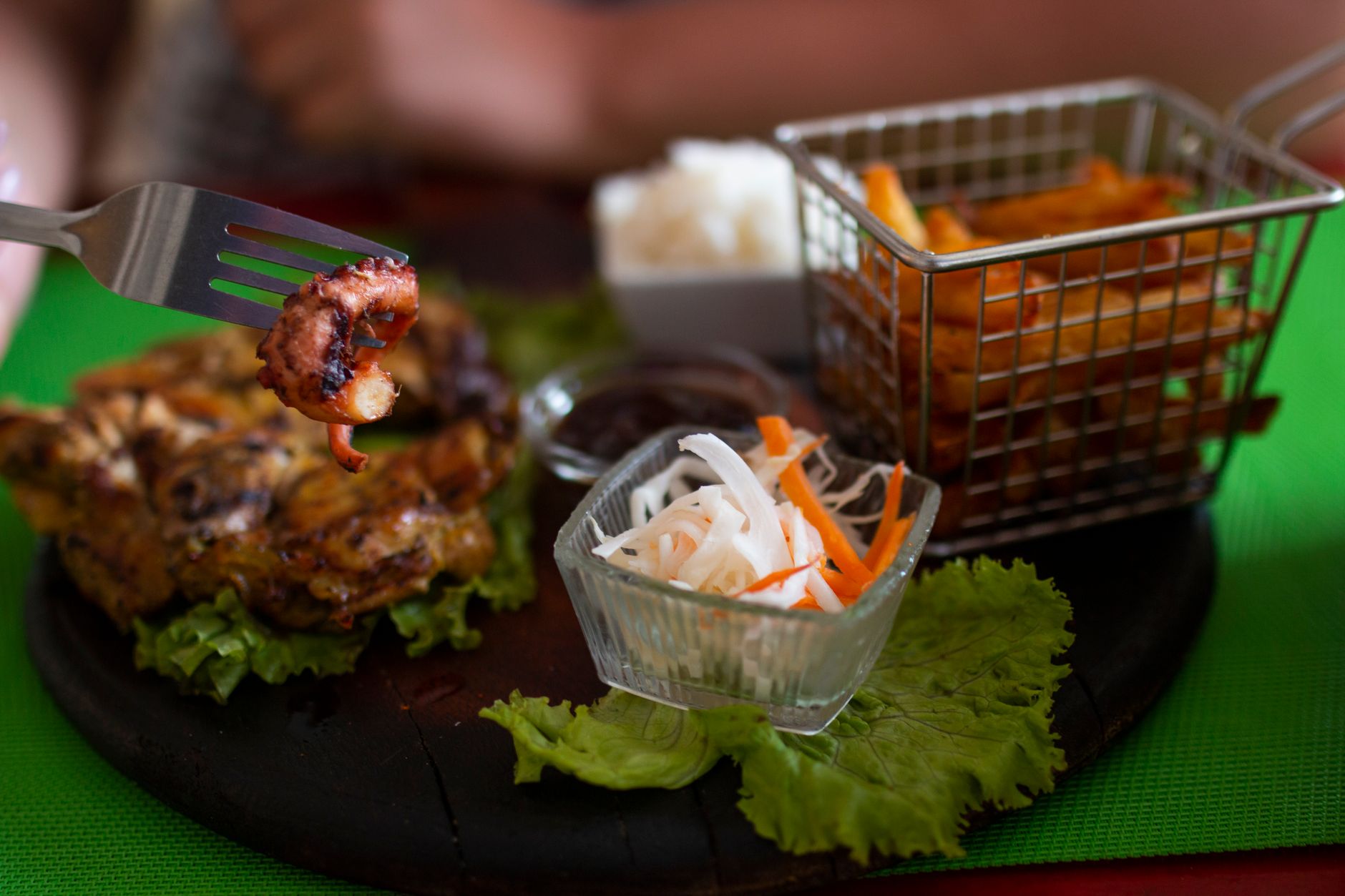
Quartier Latin in Petionville serves modern Caribbean cuisine. The chef blends traditional Haitian flavors with contemporary techniques. Fresh seafood appears in most dishes. The dining room has an elegant, relaxed feeling. Wine pairings are available. Service is professional and attentive. Reservations are essential, especially on weekends. This restaurant suits special celebrations.
Lambi Griye focuses on upscale seafood preparation. The name means grilled conch in Haitian Creole. The chef sources fresh catch daily. Preparation methods honor traditional recipes. The restaurant overlooks the ocean or sits in a garden setting. Soft lighting creates romantic ambiance. This is an excellent choice for anniversaries and important dates.
Le Coin restaurant offers French influenced Caribbean cooking. The chef trained in France but cooks with Haitian ingredients. Plates are beautifully presented. Each course tells a story. The wine list includes French and Caribbean selections. The dining room exudes sophistication. Dress nicely for dinner here. Reservations are necessary.
Fine dining restaurants in Haiti remain relatively affordable. You spend less than similar restaurants in North America. A three course meal with drinks costs considerably less. Tipping is appreciated but not mandatory. Haitians tip between 10 and 15 percent for good service. Credit cards work in most upscale establishments. Always ask about payment options beforehand.
PRO TIP: Call restaurants one day ahead to make reservations. Many fine dining spots in Port-au-Prince accept phone bookings. Dinner service typically runs from 6 p.m. to 10 p.m. Arrive by 8 p.m. for the best experience. Lunch service is less common in upscale restaurants, so focus on dinner plans.
Budget Eating in Haiti
Eating well in Haiti costs very little money. You can find excellent meals for under ten dollars. Street food and small restaurants offer the best value. Local establishments rarely accept credit cards. Bring cash in Haitian gourdes. Small change is useful for purchasing from vendors. Budget dining puts you closer to authentic Haitian food.
Soup Joumou is a vegetable soup with meat. Families prepare this especially around New Year. The soup contains squash, carrots, potatoes, and meat. It is hearty and filling. Vendors sell soup joumou in the mornings. One bowl satisfies most appetites. The price is just a few gourdes.
Riz djon djon and rice and beans appear everywhere. These are staple carbohydrates in Haitian meals. Cooks prepare both in large pots. You can buy a portion at any casual restaurant. Add grilled chicken, fish, or goat meat. The total cost remains under five dollars.
Bannann pesé are fried plantain slices served with a meal. Plantains are cheap and delicious. Frying brings out their natural sweetness. They pair with any main dish. Vegetarians can eat plantains as a complete meal. Street vendors sell bags of bannann pesé for just pocket change.
Pain is bread sold everywhere in Haiti. French influence shows in the bread culture. Bakers produce fresh bread daily. Morning bread is still warm. You can buy a roll for under one gourde. Eat bread with cheese, butter, or pâté. Breakfast bread with coffee costs almost nothing.
Markets have the absolute cheapest food options. Walk through markets in Port-au-Prince, Cap-Haïtien, or Les Cayes. Vendors sell fresh fruits, vegetables, and prepared foods. Mangoes, avocados, and bananas cost pennies. Ask vendors about prepared dishes. Many offer rice with sauce for just a few gourdes. Shopping at markets connects you with locals and saves money.
Street Food and Local Markets
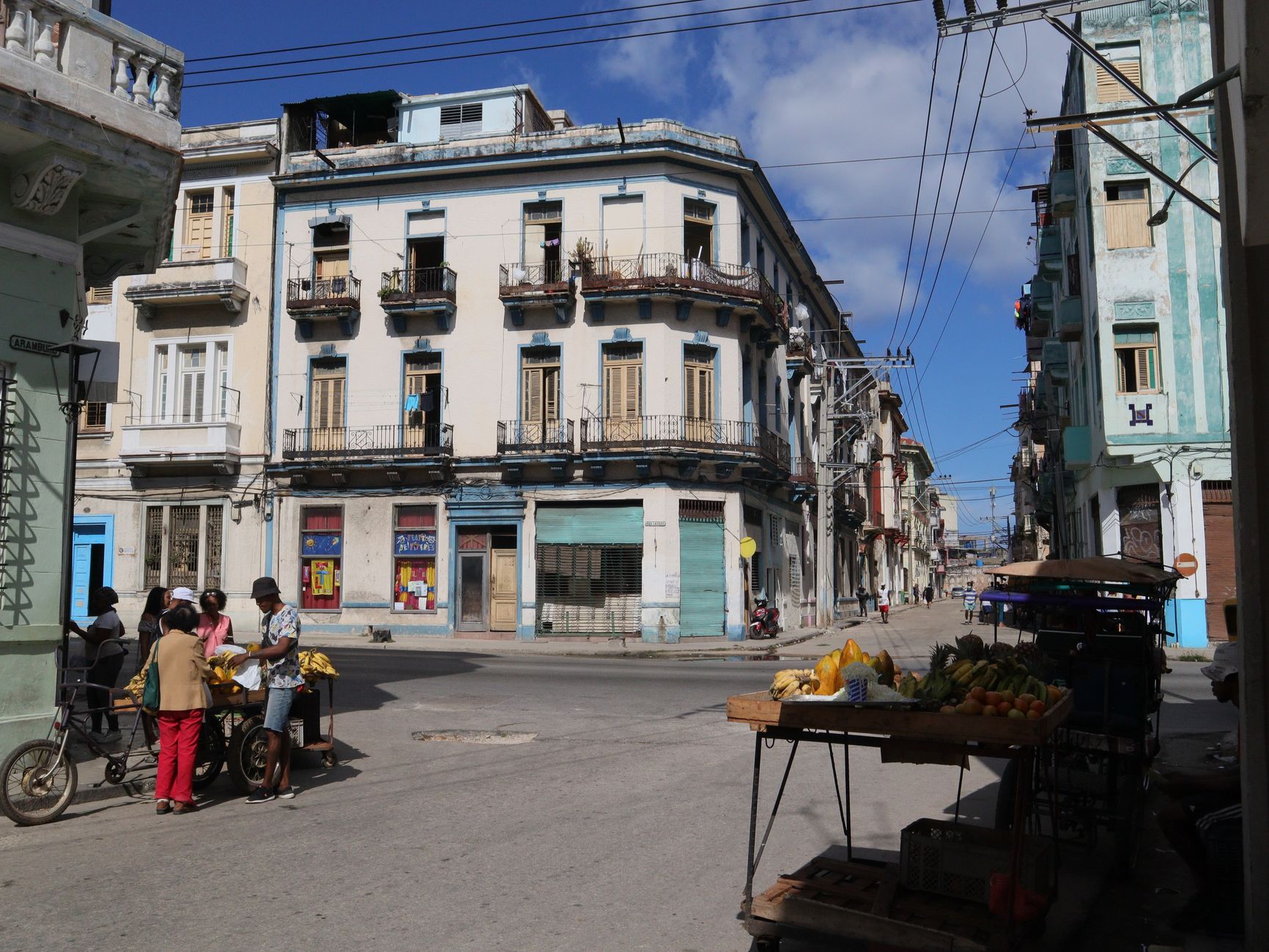
Bokit is a fried bread sandwich filled with meat and vegetables. Street vendors fry bread until it puffs and turns golden. They fill it with seasoned pork, fish, or chicken. Add pickled vegetables and spicy sauce. Bokit is cheap, delicious, and messy to eat. Napkins are essential. This is quintessential Haitian street food.
Dous makos are sweet fried dough balls. Vendors sell them by the bag. They are addictive and sweet. Children love dous makos. Eat them as a snack or dessert. The price is incredibly low. You get many balls for just a couple gourdes.
Labouyi is seasoned cornmeal mush. Cooks prepare it thick and creamy. They serve it with fish or as a standalone dish. The texture is smooth. Flavor comes from garlic, onions, and spices. This is a traditional breakfast or lunch item. Street vendors sell labouyi in the early hours.
Markets in Haiti operate daily except Sundays. Marché de la Croix-des-Bouquets in Port-au-Prince is enormous. Marché Vallière in Port-au-Prince attracts locals. Cap-Haïtien's market is smaller but authentic. Les Cayes market focuses on seafood. Markets open at dawn and close by noon.
Go to markets early for the best selection. Most vendors work until 11 a.m. The crowd thins after noon. Bring small bills. Vendors may not have change for large amounts. Do not carry valuable items. Keep money in separate pockets. Bags and cameras draw attention. Move through the market with purpose and respect locals' space.
Talk to vendors about their products. Ask how they prepare certain dishes. Many vendors will explain recipes and ingredients. This interaction enriches your experience. Vendors appreciate genuine interest. They may give you samples or tips. Learn Haitian Creole phrases for politeness. A simple "Merci" (thank you) goes far.
PRO TIP: Take a local food tour guide through markets in Port-au-Prince or Cap-Haïtien. Guides introduce you to vendors safely and translate. They help you identify seasonal fruits and unknown items. Tours last two to three hours. Early morning tours catch the market at peak activity. This approach builds your food confidence and knowledge.
Food Allergies and Dietary Needs
Communicating allergies in Haiti requires preparation. Learn your allergen names in Haitian Creole. Common allergies include peanuts (cacahuet), fish (pwason), and shellfish (lambi). Write these down in Creole for restaurant staff. Showing written notes prevents misunderstandings. Restaurant workers take allergies seriously.
Vegetarian and vegan dining is possible but limited. Rice, beans, plantains, and vegetables form the base of Haitian meals. Ask restaurants to prepare vegetables without meat or fish. Fruit is abundant and cheap. Avocados, mangoes, papaya, and bananas are always available. Nuts and seeds are less common. Many restaurants can accommodate requests but need advance notice.
Gluten free travel requires attention. Bread, pasta, and flour appear in many dishes. Rice and beans are naturally gluten free. Fresh fruits and vegetables contain no gluten. Ask about ingredients before ordering. Restaurant staff may not understand gluten concerns. Bring reference cards explaining your needs. Traveling with safe snacks provides backup options.
Dairy free options exist in Haitian cuisine. Most traditional meals use little dairy. Fresh fish and meat dishes avoid cream and cheese. Rice and bean dishes are often dairy free. Coconut milk appears in some recipes. Always ask about preparation methods. Avoid soups and stews without knowing their ingredients.
Fine dining restaurants in Port-au-Prince accommodate special diets more easily. They have trained chefs who understand allergies. Call ahead and explain your needs clearly. They appreciate advance notice. Casual restaurants and street food require more caution. Speak with cooks directly when possible. Be specific about your requirements. Haitians are generous and helpful with dietary accommodations.
Frequently Asked Questions

What Is the Safest Water To Drink in Haiti?
Drink bottled water throughout your stay in Haiti. Tap water is not safe for visitors. Purchase sealed bottles from stores and restaurants. Major brands like Culligan and Culligan are reliable. Most restaurants serve bottled water. Ice in drinks should come from bottled water. Avoid ice from unknown sources. Many restaurants freeze purified water, which is safe. Ask servers about their water source. Some hotels provide filtered water in rooms. Brush teeth with bottled water. Even short visits can cause stomach issues from tap water.
Is Fresh Fruit Safe To Eat in Haiti?
Fresh fruit is generally safe if you wash it first. Ask your hotel to wash fruit in bottled water. Avoid fruit from street vendors unless you can verify water safety. Peeled fruit like bananas and oranges is safest. Cooked fruit in desserts is safe. Avoid pre-cut fruit from unknown sources. Mangoes, papayas, and coconuts sold by vendors are fine if whole. You can eat fruit at restaurants without concern. Many travelers enjoy fresh tropical fruit without problems when using basic precautions.
How Much Should I Tip at Restaurants in Haiti?
Tipping is appreciated but not mandatory in Haiti. Fine dining restaurants expect 10 to 15 percent tips. Casual restaurants appreciate 10 percent if service was good. Small amounts like rounding up bills work for street vendors. Many restaurants add service charges to bills automatically. Check your receipt before tipping twice. Tipping in Haitian gourdes is fine. Small tips in US dollars may seem generous. Cash tips directly to servers ensure they receive them. Thank servers in Creole for better service experience.
What Is the Best Time To Visit for Food Festivals?
December and January bring holiday meals and celebrations. Families prepare special dishes for Christmas and New Year. Carnival happens before Lent and features food celebrations. Street vendors sell special carnival foods. The months of December through April offer the best weather for food tours. Rainy season runs from May to October. Food is available year round but seasonal fruits vary. Visit during dry months for the most comfortable market exploring. Ask your hotel about upcoming food events or celebrations during your stay dates.
Can I Find International Food in Haiti?
Port-au-Prince has some international cuisine options in upscale areas. Petionville has Italian, French, and Chinese restaurants. Pizza places and burger joints exist in the capital. However, authentic Haitian food is the real culinary experience. International restaurants taste less exciting than traditional meals. Focus your dining on local restaurants and street food. You can find familiar foods if needed but miss authentic experiences. Hotels can direct you to international options if you need variety. Embracing Haitian cuisine creates more memorable vacation experiences overall.