Last updated:
Introduction: Haiti How To Get There
Haiti sits in the Greater Antilles in the Caribbean Sea. You'll find this island nation at coordinates 18.9712, -72.2852. The island covers 27,750 square kilometers and is home to 11.7 million people. Getting to Haiti how to get there requires planning and understanding your options.
Most travelers arrive by air through Toussaint Louverture International Airport. This airport serves Port-au-Prince, the capital city. Some visitors also explore ferry and cruise options. Before you travel, confirm your visa requirements and check current security advisories. We recommend visiting during the dry season from December through April when temperatures average 28°C.
Flights To Haiti

Flying remains the most common way to reach Haiti. Major airlines connect Haiti to the United States, Canada, and other countries. You'll typically fly into Toussaint Louverture International Airport in Port-au-Prince.
Several airlines offer direct and connecting flights to Haiti. American Airlines, Spirit Airlines, and Sunrise Airways operate regular service. Flights from Miami take approximately one hour. Flights from New York require two to three hours. Caribbean Airways and other regional carriers also serve the route.
Book your flights well in advance, especially during peak travel months. December through April sees the highest demand. Prices increase significantly during this period. Mid-week flights often cost less than weekend departures. Consider flying Tuesday through Thursday for better rates.
You'll need a valid passport for entry into Haiti. Your passport must remain valid for at least six months beyond your travel dates. Check visa requirements based on your nationality before booking. Some nationalities require advance visa approval. Others receive visa-on-arrival options.
Haiti Airport Guide
Toussaint Louverture International Airport (PAP) is Haiti's main aviation hub. You will arrive at this modern facility near Port-au-Prince. The airport handles both domestic and international flights. Understand what to expect when you arrive.
The airport features a single terminal building with clear signage. Immigration and customs procedures move fairly quickly. Expect your arrival process to take 30 to 60 minutes total. Have your passport ready and any required documents prepared. Declare any large amounts of currency or valuables.
The airport operates from early morning until late evening. Most flights arrive during daylight hours. A 24-hour medical clinic operates within the terminal. You'll find ATMs that dispense Haitian gourdes. Currency exchange services are available but offer unfavorable rates. Withdraw money from ATMs instead.
Several ground transportation companies operate from the arrivals hall. Official taxi services have designated stands. Car rental companies maintain desks in the terminal. Tour operators offer pre-arranged pickup services. Negotiate taxi fares before entering the vehicle.
PRO TIP: Book ground transportation in advance through your hotel. This eliminates confusion and ensures safety. Many hotels arrange pickup at no extra charge.
Getting From the Airport To Your Hotel

You have several options for reaching your accommodation from Toussaint Louverture International Airport. The distance from the airport to Port-au-Prince varies depending on your hotel location. Most accommodations are 15 to 30 kilometers from the terminal.
Taxi Service: Authorized taxis wait in the arrivals area. Identify official taxis by their license plates and signage. Always negotiate your fare before entering the vehicle. The ride to central Port-au-Prince takes 30 to 45 minutes depending on traffic. Traffic is heaviest during morning and evening rush hours.
Ride-Sharing Apps: Some travelers use international ride-sharing applications. Service availability varies depending on your location. Download the app before arrival and set up your payment method. Confirm that the app operates in your destination area.
Car Rental: Major rental companies operate at the airport. You can reserve a vehicle in advance online. Having your own transportation offers maximum flexibility. Valid international driving permits are required. Driving conditions differ significantly from North American standards.
Hotel Pickup: Arrange transportation through your hotel in advance. Many hotels offer complimentary or low-cost pickup service. Confirm arrangements when you book your room. This option provides peace of mind and reliable service. A hotel representative will meet you in the arrivals hall.
Shuttle Services: Tour operators and travel companies offer shared shuttle services. These services accommodate multiple passengers to save costs. Shuttles follow set schedules and routes. Book your shuttle seat when reserving your hotel.
Ferry and Cruise Options
Ferry services connect Haiti to neighboring Caribbean islands. These services offer an alternative to flying. Cruise ships also call at Haitian ports, primarily Port-au-Prince and Cap-Haïtien.
Ferry Services: Limited commercial ferry service operates between islands. Service to the Dominican Republic, Jamaica, and other nearby islands varies seasonally. Journey times range from four to eight hours depending on your destination. Ferry schedules change frequently, so confirm current options before planning.
Caribbean Ferries: Some regional ferry operators provide passenger services. Booking advance tickets is essential during peak seasons. Conditions at sea can be rough during hurricane season. Travel during the dry months from December to April for calmer waters.
Cruise Ships: Major cruise lines include Haiti on Caribbean itineraries. Ports of call typically include Port-au-Prince and Cap-Haïtien. Cruise passengers disembark for organized shore excursions. Many cruises visit Labadee, a private cruise port on Haiti's northern coast.
Private Charters: Yacht charters and private boat services offer premium options. These services provide flexibility in scheduling and routes. Costs are significantly higher than commercial ferry or cruise options. Charter companies arrange all logistics and documentation.
PRO TIP: Ferry schedules change frequently due to weather and operational issues. Contact your hotel or a local travel agent for current information before traveling.
Getting To Haiti From Nearby Islands
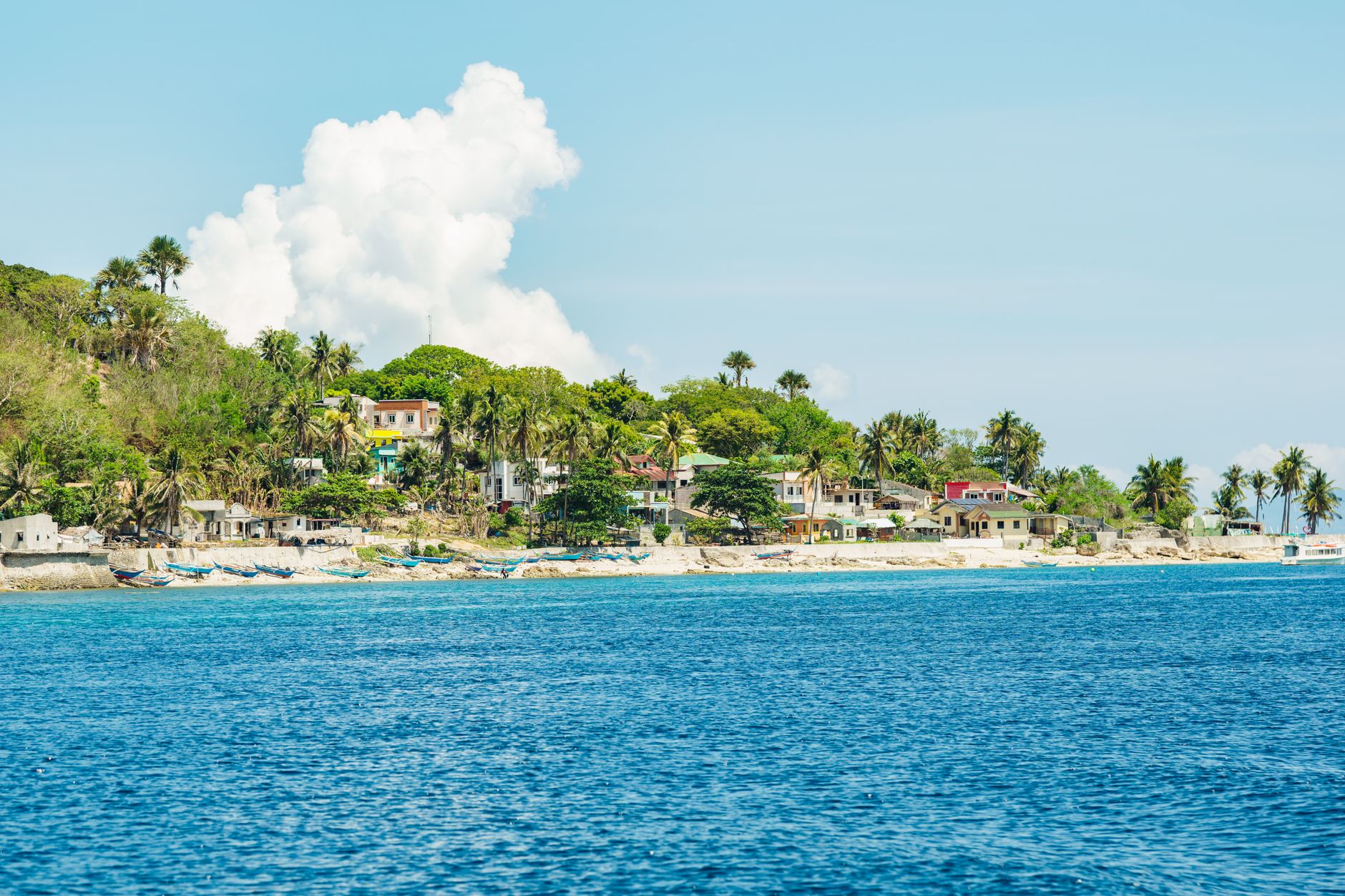
You can reach Haiti from several nearby Caribbean islands. The Dominican Republic, Jamaica, and Puerto Rico offer connection points. Travel times and transportation methods vary significantly.
From the Dominican Republic: The Dominican Republic shares the island of Hispaniola with Haiti. Border crossings exist but remain complex. Domestic flights connect Dominican cities to Port-au-Prince. Flight time is approximately 45 minutes. Land border crossings require advance research and preparation due to administrative requirements.
From Jamaica: Flights from Kingston and Montego Bay reach Port-au-Prince. Journey times are typically one to two hours. Airlines operating this route include Caribbean carriers and international operators. Ferry service between Jamaica and Haiti is limited and seasonal.
From Puerto Rico: San Juan offers multiple daily flights to Port-au-Prince. Journey time is approximately one hour. Several airlines provide regular service on this popular route. Puerto Rico serves as a major connection hub for Caribbean travel.
From the Turks and Caicos Islands: Limited air connections exist from these islands. You may need to connect through a larger hub. Direct service is not consistently available.
Interisland Flights: Regional carriers like Caribbean Airlines and Sunrise Airways operate interisland routes. These smaller aircraft serve multiple Caribbean destinations. Flight schedules can be unpredictable, so plan extra time.
Transport Tips and Costs
General Transportation Advice: Haiti's public transportation system differs from North American standards. Tap-tap minibuses serve as the primary public transport. These colorful vehicles are inexpensive but follow flexible routes. Ask your hotel for guidance on using tap-tap services.
Road Conditions: Many roads outside Port-au-Prince are unpaved or poorly maintained. Driving at night is not recommended. Traffic laws and enforcement vary from international standards. Renting a vehicle with a driver is safer than self-driving.
Safety Considerations: Travel with registered taxi services or hotel-arranged transportation. Avoid traveling alone after dark. Stay in well-established tourist areas. Keep valuables secure and out of sight. Travel insurance that covers medical evacuation is recommended.
Currency for Transportation: Carry Haitian gourdes for tap-tap fares and casual transportation. Larger establishments accept US dollars. ATMs dispense gourdes. Exchange rates fluctuate, so withdraw money frequently. Always negotiate prices before using unofficial taxis.
Accommodation Transportation: Many hotels offer organized excursions and transportation. These services provide reliable options for day trips. Book activities through your hotel concierge. Transportation is typically included in excursion prices.
Getting Around Port-au-Prince: The capital city has heavy traffic congestion. Travel during off-peak hours when possible. Plan extra time for journeys. Your hotel can arrange reliable transportation to food-restaurants and attractions. Avoid wandering unfamiliar neighborhoods on foot.
Gasoline and Fuel: Petrol stations exist throughout populated areas. Fuel quality and availability vary. Fill up during daylight hours. Keep your fuel tank above half capacity at all times.
Frequently Asked Questions

What Documents Do I Need To Enter Haiti?
You need a valid passport for entry into Haiti. Your passport must be valid for at least six months beyond your departure date. Visa requirements depend on your nationality. Citizens of many countries receive a 90-day tourist visa upon arrival. Others require advance visa approval from a Haitian embassy or consulate. Check with your country's Haitian consulate before booking travel. Some nationalities need vaccination certificates or health documentation. Confirm all requirements with official sources before departure.
Is It Safe To Visit Haiti?
Haiti requires careful travel planning and awareness. The US State Department issues travel advisories for Haiti. Research current security conditions before booking. Avoid certain neighborhoods in Port-au-Prince. Stay in established tourist areas and use recommended transportation. Travel with organized tours when possible. Register with your embassy before arrival. Travel insurance with evacuation coverage is strongly recommended. Thousands of tourists visit Haiti safely each year by taking precautions and staying informed about local conditions.
What Is the Best Time To Visit Haiti?
The best travel months are December through April. This period offers dry weather and comfortable temperatures averaging 28°C. Hurricane season runs from June through November. Travel during these months carries increased risk. May and November can experience tropical storms. December through April are peak tourist season with higher prices. Consider visiting in shoulder months like May or November for fewer crowds and lower costs. Book accommodations well in advance during peak season to secure better rates.
How Much Does a Taxi Cost From the Airport?
Taxi fares from Toussaint Louverture International Airport to Port-au-Prince vary. Negotiate your fare before entering the vehicle. Most rides to central locations cost moderate amounts in Haitian gourdes. Using hotel pickup services often provides better value than negotiating with taxis. Ride-sharing apps may show estimated fares before confirmation. Request current pricing from your hotel when making reservations. Official airport taxis are safer than unmarked vehicles, even if slightly more expensive.
Do I Need Travel Insurance for Haiti?
Travel insurance is highly recommended for Haiti travel. Standard policies should cover trip cancellation and baggage loss. Medical evacuation insurance is particularly important. Haiti's medical facilities differ significantly from developed countries. Serious medical emergencies may require transportation to another country. Comprehensive travel insurance covering evacuation costs provides essential protection. Review policy details carefully and confirm coverage for your specific destination. Purchase insurance within 14 days of your initial trip deposit for maximum benefits.