Last updated:
Haiti offers incredible Haiti things to do for travelers seeking adventure, culture, and natural beauty. This Caribbean island spans 27,750 square kilometers and welcomes visitors year-round. However, the dry season from December through April provides the best weather. Haiti's population of 11.7 million people speaks Haitian Creole and French. The island sits at coordinates 18.9712, -72.2852 in the Greater Antilles.
Before traveling, confirm visa requirements and security advisories with your passport country. The Haitian gourde is the local currency. You'll arrive at Toussaint Louverture International Airport near Port-au-Prince. The timezone is America/Port-au-Prince.
Best Beaches in Haiti
Haiti's beaches rank among the Caribbean's most stunning destinations. You'll find white sand, turquoise water, and peaceful settings across the island. Each beach offers unique experiences and access to local culture.
Ile-à-Vache is a small island off Haiti's southern coast. The beach here features powdery white sand and calm shallow water. Families love this spot because it's safe and family-friendly. You can reach Ile-à-Vache by ferry from the mainland. Bring reef shoes because rocks line some areas. The water temperature stays warm year-round at about 28°C.
Labadee is a private beach resort on Haiti's north coast. The resort offers all-inclusive day passes for visitors. You'll find water sports, food-restaurants, and lounging areas here. Many cruise ship passengers visit Labadee as a port stop. Solo travelers enjoy the organized activities and safe environment. Families appreciate the kids' clubs and shallow water areas.
Cotes-de-Fer Beach sits on the northern coast near Cap-Haïtien. This beach combines sand and rocky outcrops, creating dramatic scenery. Adventure seekers love exploring the tide pools and rock formations. Locals frequent this beach, so you'll experience authentic Haitian beach culture. The water can be choppy here, so strong swimmers do best.
Plage de Port-au-Prince offers easy access from the capital. While not as pristine as remote beaches, it's convenient for city visitors. The beach has vendors selling snacks and local crafts. Couples enjoy sunset walks here in the early evening. Bring cash for food and souvenirs from friendly vendors.
Petit-Goâve Beach lies on the southern coast and remains less crowded than northern beaches. The sand is fine and the water is generally calm. Families enjoy the peaceful atmosphere here. Local restaurants nearby serve fresh seafood at reasonable prices. You can reach Petit-Goâve by car or organized tour from Port-au-Prince.
PRO TIP: Visit beaches during daylight hours and go with organized groups if possible. Always check current security conditions before traveling to any beach area. Bring reef shoes to protect your feet from sharp coral and rocks.
Outdoor Activities in Haiti

Haiti's rugged landscape provides endless outdoor adventure opportunities. Mountains, forests, and coastlines create diverse terrain for exploration. You can hike, explore caves, and discover waterfalls throughout the island.
Hiking to Pic la Selle challenges serious adventurers. This mountain peak reaches 2,680 meters and offers panoramic views. The hike takes two days with an overnight camp. You need a guide for this trek, which you can arrange in Port-au-Prince. The trail passes through pine forests and opens onto stunning vistas. Early morning starts are essential to reach the summit before clouds arrive.
Exploring Chateau Fort combines hiking with history. This 19th-century fortress sits in the mountains near Lavalette. The hike to the ruins takes about two hours. You'll walk through local villages and gain insight into Haitian culture. Bring plenty of water because the sun exposure is intense. The views from the fortress overlook the valley below.
Visiting Citadelle La Ferrière is a must-do outdoor activity. This massive fortress was built after independence to defend against invasions. It sits at 900 meters elevation and offers sweeping views. You can reach it from Cap-Haïtien by car and then climb to the top. The fortress walls are remarkably preserved. Plan two to three hours for the complete visit and climb.
Canyoning in Bassin Bleu provides water-based adventure. This natural canyon features pools, waterfalls, and rock formations. The activity involves swimming and jumping into deep pools. Local guides lead group trips from nearby towns. Bring water shoes and towels for this activity. The cool water feels refreshing in Haiti's tropical heat.
Cave exploration takes you underground to see stalactites and underground rivers. Several caves exist throughout Haiti, though access varies. The most accessible caves are near Cap-Haïtien. Always hire local guides who know safe routes. Bring flashlights and wear sturdy shoes for cave exploration.
Water Sports in Haiti
Haiti offers excellent water sports due to its tropical location and clear waters. The island has scuba diving sites that attract experienced divers. Snorkeling, kayaking, and fishing are also popular activities.
Scuba Diving is world-class around Haiti's coasts. The island boasts coral reefs, shipwrecks, and diverse marine life. Dive sites range from shallow reefs to deep wrecks. Popular dive locations include areas around Ile-à-Vache and Cap-Haïtien. You need certification to dive most sites. Many dive operators offer training courses for beginners. The water visibility can reach 30 meters on clear days.
Snorkeling requires less equipment than diving. You can snorkel at most beaches with just a mask and snorkel. Reef areas near shore often contain colorful fish and coral. Families enjoy snorkeling because it's accessible to all ages. Bring reef-safe sunscreen to protect the environment. Snorkeling tours depart from major beach areas.
Kayaking lets you explore mangroves and coastal areas. You can paddle through quiet lagoons and spot birds. Kayak rentals are available at some beach resorts. Solo travelers enjoy the peaceful pace of kayaking. Bring sun protection because water reflects intense UV rays. Morning kayak trips offer the best light for photography.
Fishing is excellent off Haiti's coasts. Deep-sea fishing charters operate from ports near Port-au-Prince and Cap-Haïtien. You can catch marlin, tuna, and grouper. Fishing trips typically last four to eight hours. Charter boats provide equipment and experienced captains. Couples enjoy romantic fishing trips at sunset.
Paddleboarding works well in calm bay areas. You'll spot fish and marine life from your board. Paddleboard rentals exist at some beach locations. It's a peaceful activity that builds strength. Bring water and sunscreen for all-day paddleboarding.
PRO TIP: Hire licensed water sports operators with good safety records. Always wear a life jacket for water activities. The best water visibility occurs during calm, sunny days in the dry season (December to April).
Things To Do in Haiti at Night

Haiti's nightlife offers music, dancing, and cultural experiences. The island has a vibrant music scene rooted in African traditions. Nighttime activities range from casual beachside dining to energetic dance clubs.
Live Music Venues feature traditional Haitian music and modern Caribbean beats. Port-au-Prince has several clubs featuring live bands. You'll hear kompa, merengue, and rasin music styles. Clubs typically open around 9 PM and stay active until midnight or later. Cover charges vary but are generally affordable. Dress nicely because Haitians value appearance in nightlife venues.
Beach Bars provide relaxed evening settings. You can enjoy drinks with ocean views and cool evening breezes. Many beach bars feature DJs playing reggae and dancehall music. Couples enjoy romantic dinners at waterfront restaurants. Solo travelers meet other visitors at popular beach bars. Prices for drinks are reasonable compared to international standards.
Street Festivals and Events happen throughout the year. Carnival celebrations occur in February and attract huge crowds. Local music, dancing, and food celebrations fill the streets. These events showcase authentic Haitian culture and community spirit. Check local calendars to align your visit with festivals. Crowds can be large, so stay aware of your surroundings.
Dinner with Local Cuisine is an evening activity itself. Haitian restaurants serve traditional dishes like griot and djon-djon. Family-run restaurants offer authentic experiences at low prices. Many restaurants are open until 10 or 11 PM. Reservations help at popular spots, especially in Port-au-Prince. Try street food from vendors for budget-friendly evening snacks.
Night Walks in Historic Areas reveal Haiti's colonial architecture. Port-au-Prince's historic districts contain colorful buildings and interesting streets. Guided night tours provide safety and historical context. Walk only in well-lit, populated areas at night. Stick with organized groups rather than wandering alone.
Things To Do in Haiti With Kids
Haiti welcomes families with numerous kid-friendly activities. The island offers safe beach experiences, cultural education, and outdoor adventures suitable for all ages.
Beach Days at Labadee provide supervised family fun. The private resort has shallow water perfect for young children. Kids' clubs offer activities while parents relax. Beach toys and water floaties are available for rent. The calm water and sandy bottom make swimming safe. All-inclusive day passes include meals and snacks for the whole family.
Visit Local Markets to experience Haitian culture firsthand. Kids enjoy seeing colorful produce, crafts, and local goods. Markets are bustling with activity and music. Buy fresh tropical fruits to taste local flavors. Vendors are generally welcoming to families. Go early in the morning when markets are fullest. Keep valuables secure in crowded market areas.
Explore National Parks offer outdoor learning opportunities. Kids can spot tropical birds and wildlife. Park trails range from easy to moderate difficulty. Many parks have picnic areas and facilities. Guides provide educational information about local ecosystems. Parks protect Haiti's natural heritage and biodiversity.
Visit Waterfalls like Bassin Bleu for water play. Kids love swimming and jumping in natural pools. The cool water provides relief from tropical heat. Bring towels and water shoes for safety. Pack snacks and water for the group. These destinations work best with guided tours for families.
Fort Exploration combines history with adventure. Citadelle La Ferrière impresses kids with its massive scale. They can explore rooms and climb walls safely. The views from the top reward the climb. Guides tell stories about Haiti's independence and history. Younger children may find the climb challenging, so plan accordingly.
Cultural Centers and Museums in Port-au-Prince teach about Haitian art and history. The Musée du Panthéon National Haïtien displays important artifacts. Kids learn about famous Haitian figures. Museums are generally quiet and cool environments. Many museums are affordable and welcome families.
PRO TIP: Pack plenty of sunscreen, hats, and water for kids in Haiti's strong sun. Keep children hydrated in the tropical heat. Plan activities during cooler morning and late afternoon hours. Supervise children closely near water at all times.
Free Things To Do in Haiti
You can experience Haiti without spending money on traditional attractions. Free activities include beaches, cultural experiences, and natural exploration.
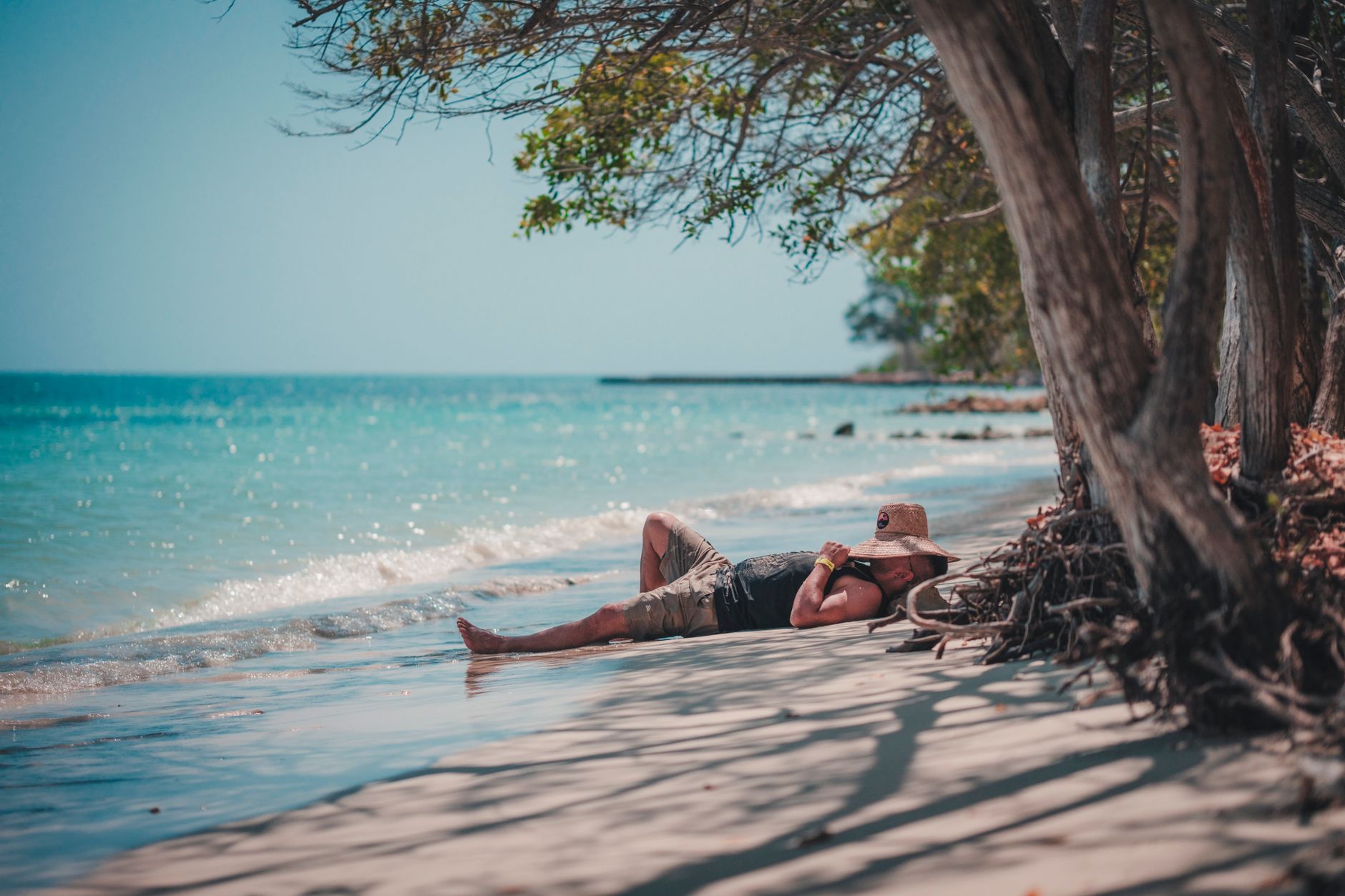
Public Beaches are completely free in Haiti. Plage de Port-au-Prince requires no admission. You only pay for food and drinks from vendors if you choose. Petit-Goâve Beach is free to access and swim. Cotes-de-Fer Beach costs nothing to visit. Pack your own snacks to avoid vendor expenses. Bring your own beach gear like towels and sunscreen.
Hiking Mountain Trails costs nothing if you go independently. Many mountain trails are open to the public. Pic la Selle has free access, though hiring a guide is strongly recommended for safety. Hiking the trails around Citadelle La Ferrière requires no fees for the paths. You only pay if you want a guide or visit paid attractions nearby.
Exploring Local Neighborhoods is free and educational. Walk through residential areas to see daily Haitian life. Visit colorful houses and meet friendly locals. Take photos of street art and murals. These experiences cost nothing and provide authentic cultural insight. Be respectful when photographing people and ask permission first.
Attending Street Festivals during Carnival requires no admission. The celebrations are free public events. You'll hear music and see dancing in the streets. Food and drink vendors charge for items, but watching is free. These events showcase authentic Haitian culture.
Visit Public Parks and Gardens that are open to the public. Some parks have no entrance fees. You can enjoy nature and outdoor space freely. Bring a picnic lunch and spend the day in the park. This works well for families on a budget.
Church and Historical Site Visits are often free to explore. Many churches welcome visitors and showcase beautiful architecture. Historical sites in towns are accessible for free walking tours. You might choose to donate to maintain these places. Early morning visits mean fewer crowds and better photography.
Day Trips From Haiti
Several day trips depart from Haiti's main cities. These excursions combine beach time with cultural and historical experiences.
Ile-à-Vache Day Trip from the southern coast is popular. Ferry service runs regularly from the mainland. The island trip takes 30 minutes by boat. You'll spend the day swimming and snorkeling. Beach restaurants serve fresh seafood and drinks. Return ferries run until late afternoon. Bring cash because ATMs are limited on the island.
Cap-Haïtien Day Trip from Port-au-Prince requires a four-hour drive. The historic city contains colonial architecture and cultural sites. Visit museums and historical landmarks in the morning. Spend the afternoon at nearby beaches. Return to Port-au-Prince by evening. Organized tours often include transportation and meals.
Citadelle La Ferrière and Sans-Souix Palace Tour departs from Cap-Haïtien. The day includes visiting both historic sites. Morning drives take you to high elevations where fortress ruins stand. The palace ruins reveal Haiti's royal past. Both sites combine history with spectacular mountain views. Bring sturdy shoes and water for climbing.
Bassin Bleu Waterfall Day Trip from southern Haiti combines swimming and hiking. The natural canyon contains multiple pools and waterfalls. You can jump into clear pools and swim under waterfalls. Local guides lead safe routes through the canyon. The drive from town takes 30 to 60 minutes. Pack snacks and water for the full day.
Port-au-Prince City Tour can be completed in one day. Visit the Iron Market, National Palace, and historical districts. See colorful colonial buildings and street art. Museums offer insight into Haitian art and history. Tours typically last four to six hours. Afternoon café stops are included in organized tours.
Jacmel Day Trip from Port-au-Prince showcases Caribbean charm. The colorful coastal town sits two hours south. Beaches near Jacmel offer quiet swimming. Local restaurants serve fresh fish and traditional dishes. Art galleries display works by Haitian artists. The town comes alive in the evening with music and vendors.
PRO TIP: Book day trips through established tour operators for safety and reliability. Pack plenty of water, sunscreen, and snacks for full-day activities. Confirm return transportation before you go to avoid getting stranded. Start day trips early to maximize daylight hours.
Frequently Asked Questions

What Are the Best Months To Visit Haiti for Things To Do?
December through April offers the best weather for Haiti things to do. During these months, temperatures average 28°C with less rainfall. The dry season means more outdoor activities are comfortable. Beach conditions are excellent, and hiking trails are accessible. Hurricane season occurs from June through November, so avoid those months. Book accommodations early during peak season (December and January) for the best availability.
Do I Need a Visa To Visit Haiti?
Yes, most visitors need a visa to enter Haiti. Visa requirements vary by passport country. You must confirm requirements with your country's consulate before travel. Some nationalities receive visa-free or visa-on-arrival privileges. The process typically takes two to four weeks for traditional visas. Apply well in advance of your travel dates. Always check current security advisories before booking your trip.
Is Scuba Diving Safe in Haiti?
Yes, scuba diving is safe in Haiti when you follow proper safety procedures. Use only licensed dive operators with certified instructors. Never dive alone, and always dive with a buddy system. Check your certification credentials before booking dives. The coral reefs and marine life are spectacular. Dive conditions vary seasonally, with the best visibility during calm weather periods.
What Should I Bring for Haiti Things To Do Activities?
Pack reef-safe sunscreen to protect yourself and marine life. Bring reef shoes to protect your feet from sharp coral. Water shoes work for hiking and water activities. Bring hats and lightweight long sleeves for sun protection. Pack adequate water for outdoor activities in the tropical heat. Bring insect repellent for evening and wooded areas. Waterproof bags protect electronics during water activities. Cash is essential because many places don't accept cards.
Can I Travel Solo Safely in Haiti?
Solo travel is possible in Haiti with proper precautions. Stay in well-established hotels and guesthouses in safe areas. Join group tours rather than traveling independently to unknown areas. Use established taxi services and avoid traveling at night. Keep valuables secured and out of sight. Research current conditions before visiting specific regions. Many solo travelers successfully visit Haiti by using common sense and staying aware of surroundings.