
Last updated:
Deciding when to visit Haiti requires understanding the island's tropical climate and seasonal patterns. The Haiti best time to visit question depends on your preferences for weather, crowds, and activities. December through April offers the most favorable conditions. Haiti sits in the Greater Antilles with coordinates 18.9712, -72.2852. The island spans 27,750 square kilometers and has a population of 11,724,000 people.
Haiti experiences warm temperatures year-round with an average of 28°C. The main factors affecting your visit include hurricane season, rainfall patterns, and tourism crowds. Understanding these elements helps you plan the perfect trip. Peak season runs from December to April when prices are highest but weather is most stable. The rainy season brings cheaper accommodations but frequent afternoon showers.
Haiti Weather by Month
January brings dry conditions and comfortable temperatures across Haiti. Daytime highs reach around 28°C with low humidity. Nights cool to approximately 22°C. Rainfall is minimal during this month. January represents peak tourist season with full accommodations and higher prices. Visitors enjoy clear skies for beach days and water activities.
February continues the dry season with similar weather patterns to January. Temperatures remain consistent at 28°C daytime and 22°C nighttime. February experiences very little rain. Tourism remains high as families travel during school breaks in North America and Europe. Book accommodations well in advance.
March maintains dry conditions but temperatures begin rising slightly. Days reach 29°C while nights stay around 23°C. Humidity increases modestly. March still sees substantial tourism before spring break crowds arrive. Rain remains unlikely through most of the month.
April marks the transition toward the rainy season. Temperatures climb to 30°C during the day. Afternoon showers become more frequent but usually pass quickly. April represents excellent value for budget travelers. Accommodations cost less than winter months. Crowds thin out considerably.
May introduces the wet season with regular afternoon thunderstorms. Temperatures peak at approximately 31°C. Humidity rises noticeably. Rain falls frequently but typically in short bursts. Tourism drops significantly, creating opportunities for discounts. The landscape becomes lush and green.
PRO TIP: Pack light, breathable clothing for Haiti's year-round warmth. Bring rain gear during May through November. Quick-dry fabrics work best. Sunscreen and sunglasses are essential every month.
Peak Season in Haiti
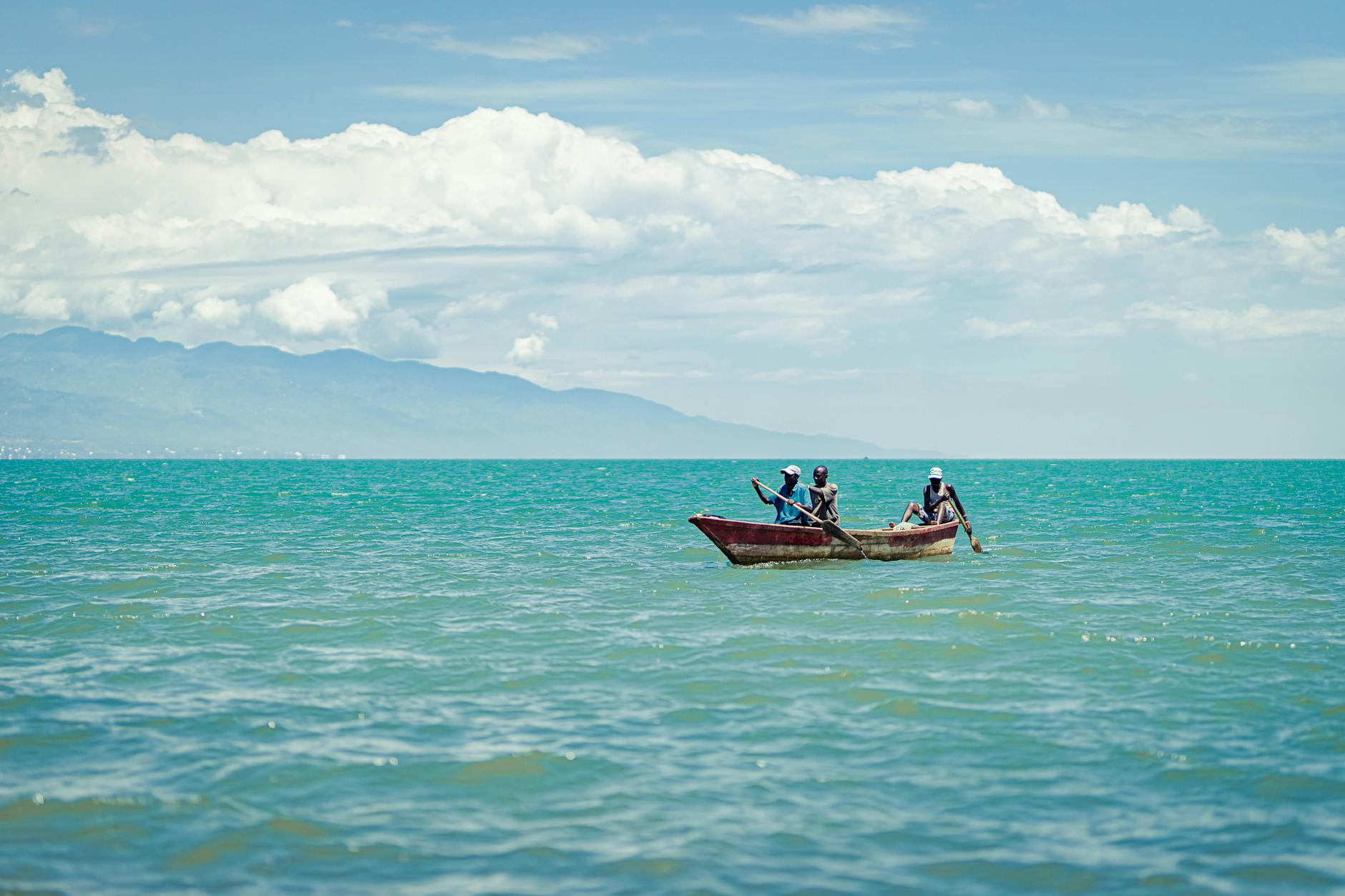
December through April constitutes Haiti's peak tourist season. These months offer the most reliable dry weather and comfortable temperatures. Most tourists arrive during these months, making accommodations fully booked and prices highest. December marks the season's start as North American travelers escape winter. Hotels, food-restaurants, and tour operators run at full capacity.
January and February see the most tourism activity. Families travel during school holidays. European visitors arrive during their winter break. Tour companies offer full schedules of activities and excursions. Water sports, hiking, and cultural tours operate with maximum frequency. All attractions maintain regular hours and full staffing.
Peak season offers the most stable weather for outdoor activities. Rainfall is minimal, typically under 50mm per month. Water conditions remain calm for diving and snorkeling. Beach days are virtually guaranteed. Visibility underwater reaches optimal levels. Hiking trails dry out completely, making trekking easier.
The trade-off involves significantly higher prices and crowded beaches. Hotel rates increase 30 to 50 percent above shoulder season rates. Popular beaches like Labadee fill with cruise ship passengers. Restaurant reservations become necessary. Tour guides book solid weeks in advance. Expect company at major attractions and viewpoints.
March and April offer slightly lower crowds while maintaining good weather. Spring break travelers arrive in late March and early April. Families with school-age children swell tourism numbers. Temperatures rise slightly but remain comfortable. Rain becomes more frequent in late April but generally light.
Shoulder Season — Best Value
April and November represent Haiti's shoulder seasons with excellent value. These months fall between peak season and rainy season. Prices drop noticeably compared to December through March. Hotels offer discounts and promotions. Restaurants and tour operators have availability without advance booking. April offers better weather, making it the superior shoulder season choice.
April temperatures rise to 29 to 30°C with increasing afternoon showers. Most days remain sunny with rain arriving late afternoon. Rainfall rarely exceeds 100mm for the month. These showers cool the air and refresh vegetation. Morning hours remain perfect for beach and water activities. Tourists can enjoy calm mornings before afternoon weather.
November marks the tail end of hurricane season but rarely experiences actual storms. Temperatures drop to a comfortable 27 to 28°C. Humidity decreases compared to summer months. Tourism begins recovering from the slow summer season. Accommodations run 20 to 40 percent cheaper than peak season. November weather is generally pleasant with occasional rain.
Shoulder seasons provide ideal conditions for photographers. Fewer tourists mean clearer shots of beaches and attractions. Soft lighting during golden hour improves landscape photography. Cultural sites and towns appear less crowded. Local vendors have more time to interact with visitors. These seasons offer authentic experiences with comfort and value.
PRO TIP: Visit in April for best shoulder season weather. Book accommodations two to three weeks in advance instead of months ahead. Expect discounts on multi-day tours. Bring an umbrella for afternoon showers but skip heavy rain gear.
Rainy Season in Haiti
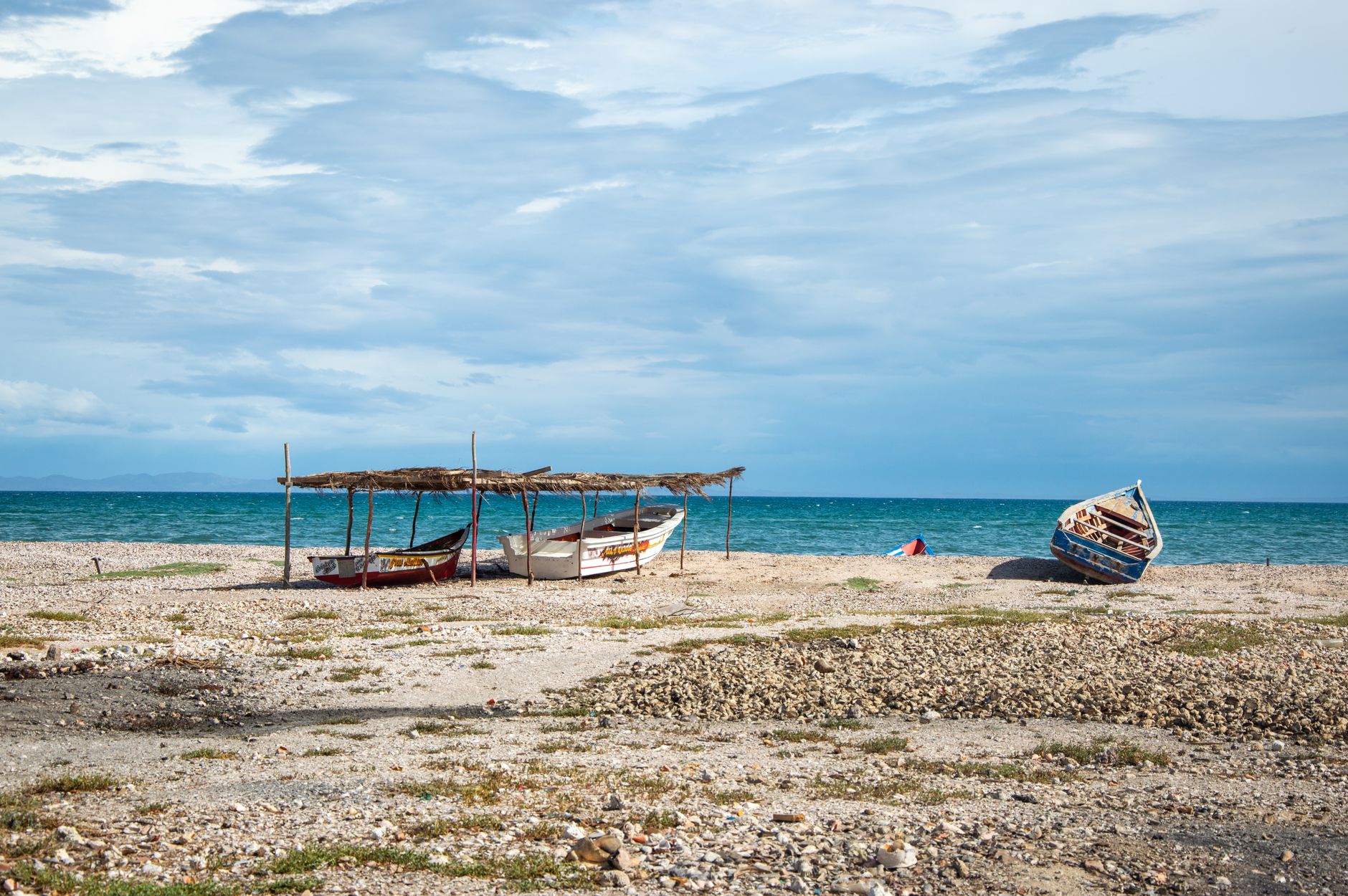
May through November constitutes Haiti's rainy season. Afternoon thunderstorms occur regularly, especially from August through October. These months see dramatically lower tourism and reduced prices. Hotels discount rooms 40 to 60 percent below peak season rates. Restaurants and attractions operate with skeleton crews. This season appeals only to travelers flexible about weather.
May and June see the beginning of the rainy season. Afternoon showers become daily occurrences but usually last 30 to 60 minutes. Morning hours remain sunny and suitable for activities. Temperatures climb to 30 to 31°C. Humidity increases noticeably. Tourism drops sharply after April. Most cruise ships skip these months entirely.
July and August maintain warm temperatures and frequent rain. Afternoon thunderstorms are virtually guaranteed. Mornings offer clear skies. Evening temperatures cool slightly. These months overlap with summer school vacations, bringing some family tourism from the region. However, numbers remain far below winter levels.
September and October mark hurricane season's peak. Tropical storms and hurricanes pose genuine risks during these months. Heavy rainfall floods some areas. Landslides occur in mountainous regions. Many accommodations close completely or reduce staff. Travel insurance becomes essential. Few experienced travelers recommend visiting during these months unless absolutely necessary.
November transitions back toward drier conditions. Early November still sees frequent rain and lingering humidity. Late November becomes much drier. Temperatures drop to 27°C. Hurricane risk diminishes significantly after early November. Tourism begins slowly recovering. This month represents the rainy season's end with improving conditions.
Best Time To Visit Haiti for Families
December through early April works best for family visits to Haiti. School holidays align with peak season. Children's winter or spring breaks coincide with peak tourism. Full calendars of family-friendly activities operate during these months. Water parks, beaches, and tour companies offer regular programming. Childcare services and family restaurants run at capacity.
December through February attracts the most families. Winter break periods create the highest family travel volume. All attractions and accommodations operate at full strength. Beaches are warm and inviting. Water temperatures reach 27 to 28°C, perfect for swimming. Entertainment options abound for all age groups. Multiple tour companies compete for family business, offering excellent service.
January and February represent the safest options for family travel. Weather is most predictable with minimal rain. Daytime temperatures reach comfortable 28°C. Nights cool to manageable levels for sleep. Holiday crowds provide energy and excitement. Hotels typically have kids' clubs and family programs. Beaches never feel isolated or unsafe due to crowds.
March and early April remain family-friendly with declining crowds. Spring break travelers arrive in late March. Prices are lower than peak season. Weather remains generally good, though afternoon showers increase by late April. Families with flexible school schedules find excellent value. Children enjoy more attention from tour guides with smaller group sizes.
Families should avoid May through November entirely. Rainy season creates unpredictable activities. Afternoon storms frustrate children. Heat and humidity become oppressive. Many family-oriented businesses reduce hours or close. Childcare services become unavailable. Hurricane risk increases substantially from August onward. These months lack the amenities and services that make family travel enjoyable.
Best Time To Visit Haiti for Diving

December through April provides optimal diving conditions in Haiti. Water temperatures remain warm at 26 to 28°C. Visibility reaches 15 to 25 meters on most dives. Seas remain calm with minimal currents. Diving operators offer daily trips to multiple sites. Gear rental and instruction are readily available. January through March represents peak diving season.
January and February offer the absolute best diving conditions. Water clarity is at its maximum. Calm seas minimize current challenges. Surface conditions favor boat operations. Visibility often exceeds 20 meters. Dive operators report excellent marine life encounters. These months attract serious divers from worldwide. Multiple dive shops operate in popular areas.
March and April maintain good diving conditions. Water temperature stays comfortable at 27°C. Visibility begins declining slightly but remains good at 15 to 20 meters. Seas stay relatively calm. Afternoon showers rarely impact diving schedules. April waters warm to 28°C. Crowds begin thinning, making dive sites less crowded.
May through November experiences challenging diving conditions. Afternoon rains reduce visibility. Increased runoff from rainfall muddies coastal waters. Sea conditions become rougher with higher winds. Currents strengthen. Dive operators reduce schedules or close entirely. Many shops shut down from August through October due to hurricane risk. Water temperature reaches 30°C, making thermal protection unnecessary but visibility poor.
Haiti's dive sites include reefs near Labadee, wall dives off the southern coast, and wrecks throughout the island. Coral gardens, sea turtle encounters, and reef fish are common. Night diving is possible year-round but better in dry season. Dedicated divers should book trips during peak season with established dive operators. Certification courses are available at major dive centers.
PRO TIP: Book dive trips in January or February for best conditions. Bring reef-safe sunscreen to protect coral. Respect all marine protected areas. Consider a lightweight wetsuit for extended bottom times despite warm water.
Best Time To Visit Haiti for Families
Late April through early May offers the best value for budget-conscious travelers. Prices drop significantly as peak season ends. Hotel discounts range from 30 to 50 percent below winter rates. Restaurants and shops have availability without advance reservations. Tour guides have more time for personalized attention. Crowds disappear from major attractions, creating peaceful experiences.
Budget travelers should expect afternoon showers in May but manageable rainfall. Mornings remain sunny and warm at 28°C. Hotels offer excellent rates to fill rooms during slow periods. Multi-day tour packages include discounts for advance bookings. Transportation costs decrease with lower fuel demand. Food prices remain stable year-round but dining experiences improve with fewer diners.
Visiting during shoulder and low seasons supports local communities directly. Fewer foreign tourists mean businesses rely more on local customers. Money spent goes further in local economies. Service workers appreciate individual attention from fewer tourists. Cultural interactions feel more genuine and personal. Visitors gain authentic perspectives on Haitian life.
Photography enthusiasts find advantages in low season. Fewer tourists mean clearer shots of landmarks and landscapes. Local people pose more willingly for portraits. Markets and streets appear in natural lighting without crowds. Travel photographers can capture Haiti's authentic character more easily.
Frequently Asked Questions

What Is the Best Month To Visit Haiti?
January and February offer the best overall conditions for visiting Haiti. Weather is completely dry with minimal rainfall. Daytime temperatures reach comfortable 28°C. Water is warm for swimming and diving. All attractions operate at full capacity. Tourist amenities are comprehensive, including dining options, tours, and transportation. The trade-off involves higher prices and crowded beaches. These months align with winter school holidays, making them popular with families.
Is It Safe To Visit Haiti During Hurricane Season?
Hurricane season runs June through November, with peak risk from August through October. September and October carry the highest risk of tropical storms and hurricanes. These months see frequent heavy rainfall and dangerous weather conditions. Travel insurance becomes essential. Most accommodations close or reduce staff significantly. Direct hurricane strikes are rare but dangerous. Most travel experts recommend avoiding September and October completely. April through May offers better value without significant hurricane risk.
What Should I Pack for Haiti's Climate?
Pack lightweight, breathable clothing suitable for 28°C heat. Cotton and moisture-wicking fabrics work best. Bring reef-safe sunscreen and sunglasses for year-round sun protection. Include a lightweight rain jacket or umbrella for afternoon showers. Quick-dry swimwear suits the tropical climate. Pack comfortable walking shoes for exploring towns and attractions. During rainy season months, bring water-resistant bags for electronics. Hat and long sleeves protect against intense sun exposure.
Can I Visit Haiti During the Rainy Season for Budget Reasons?
Yes, May through November offers significant discounts on accommodations and tours, sometimes 40 to 60 percent below peak season rates. However, frequent afternoon thunderstorms interrupt activities. Visibility for diving deteriorates. Some roads become difficult after heavy rains. Many tour operators reduce schedules or close. August through October pose hurricane risks requiring travel insurance. May and June offer the best rainy season value with manageable weather. Budget travelers must accept reduced amenities and unpredictable weather patterns.
What Visa Requirements Apply To Visiting Haiti?
Haiti requires visas for most visitors, though requirements vary significantly by passport nationality. United States, Canadian, and European Union citizens typically receive tourist cards upon arrival. Your passport must be valid for at least six months beyond your departure date. Immigration officials may ask about return flights and accommodations. Check current travel advisories before booking. Security situations can change. Contact your country's embassy for specific visa requirements and safety information before traveling to Haiti.